Moving to Calgary from Michigan? Here Are the Top 7 Lifestyle Differences
Trading the Great Lakes for the high prairie and the shadow of the Rockies is a profound shift. Moving from Michigan to Calgary, Alberta, is more than a cross-border relocation; it’s an exchange of one distinct way of life for another. While both are northern, four-season locations, the texture of daily life (from the air you breathe to the money you spend) is fundamentally different.
The move means swapping a landscape defined by water and humidity for one defined by altitude and arid plains. It’s a transition from the industrial legacy of the “Rust Belt” renaissance to the white-collar energy hub of Western Canada. For those making the leap, understanding these key differences is the first step to a successful transition.
1. The Altitude and the Aridity
This is the most immediate physical change, and it cannot be overstated. Michigan, with cities like Detroit at 600 feet, is a low-lying, humid state surrounded by the world’s largest freshwater system. Life is lived with a certain “dampness” in the air.
Calgary sits at 3,438 feet. It is a dry, high-altitude prairie city. This has several direct lifestyle consequences:
- The Air: The air is incredibly thin and dry. Newcomers often experience mild altitude sickness, shortness of breath, and the “Calgary nosebleed” for the first few weeks. Static shock is a constant, year-round phenomenon.

- Hydration: You will need to consciously drink more water than you ever did in Michigan. Skin dries out, and humidifiers are standard household appliances, not luxuries.
- The Landscape: The brown, prairie landscape of a Calgary winter can be jarring for Michiganders accustomed to snow clinging to damp trees. Here, the snow is powdery and blows away, revealing a golden-brown landscape beneath.
2. The Weather Whiplash: Understanding the Chinook
Both places are “winter cities,” but their winters are entirely different beasts. Michigan’s winter is a humid cold, dominated by the “lake effect.” It gets cold, often grey, and stays cold for months. The snow is heavy, wet, and persistent.
Calgary’s winter is a volatile drama of extremes. It is one of the sunniest cities in Canada, even in deep winter. It can plummet to a bitter, dry -30°C (-22°F). However, its defining feature is the Chinook.
These are warm, dry winds that sweep down from the Rocky Mountains, capable of raising the temperature by 20-30 degrees Celsius in a few hours. Imagine waking to a -25°C deep freeze, and by mid-afternoon, the snow is melting in +8°C (46°F) sunshine. This isn’t a rare event; it’s the rhythm of winter.
3. The Great Healthcare Divide
This is a significant structural change. Michigan’s system, tied to employer-based insurance, co-pays, and “in-network” anxiety, is a constant financial consideration. In Calgary, the public Alberta Health Care Insurance Plan (AHCIP) covers medically necessary doctor and hospital visits. This means no bills for an ER or family doctor visit, and coverage isn’t tied to your job. The trade-offs: wait times for specialists can be long, and dental, vision, and prescriptions still require separate private insurance.
4. The Economic Engine: From Motor City to Energy Capital

Michigan’s economy, forged in the automotive industry, is diversifying with gains in tech, research (especially around Ann Arbor), and advanced manufacturing. Its identity is tied to a legacy of making things.
Calgary is, unequivocally, an energy city. It has the highest concentration of corporate head offices in Canada per capita, the vast majority tied to the oil and gas (O&G) industry. This creates a high-earning, white-collar professional environment. The city’s mood, employment rates, and real estate market are all powerfully linked to the price of a barrel of oil.
5. The Urban Form: A New City vs. Historic Bones
Michigan is a state of older cities. Detroit, Grand Rapids, and Ann Arbor have historic cores, dense pre-war neighbourhoods, and a distinct, gritty character born from a long industrial history.
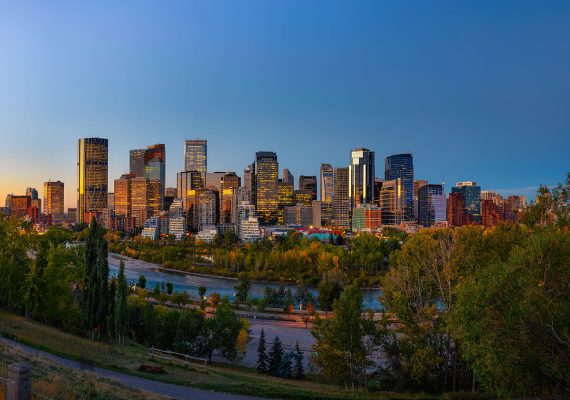
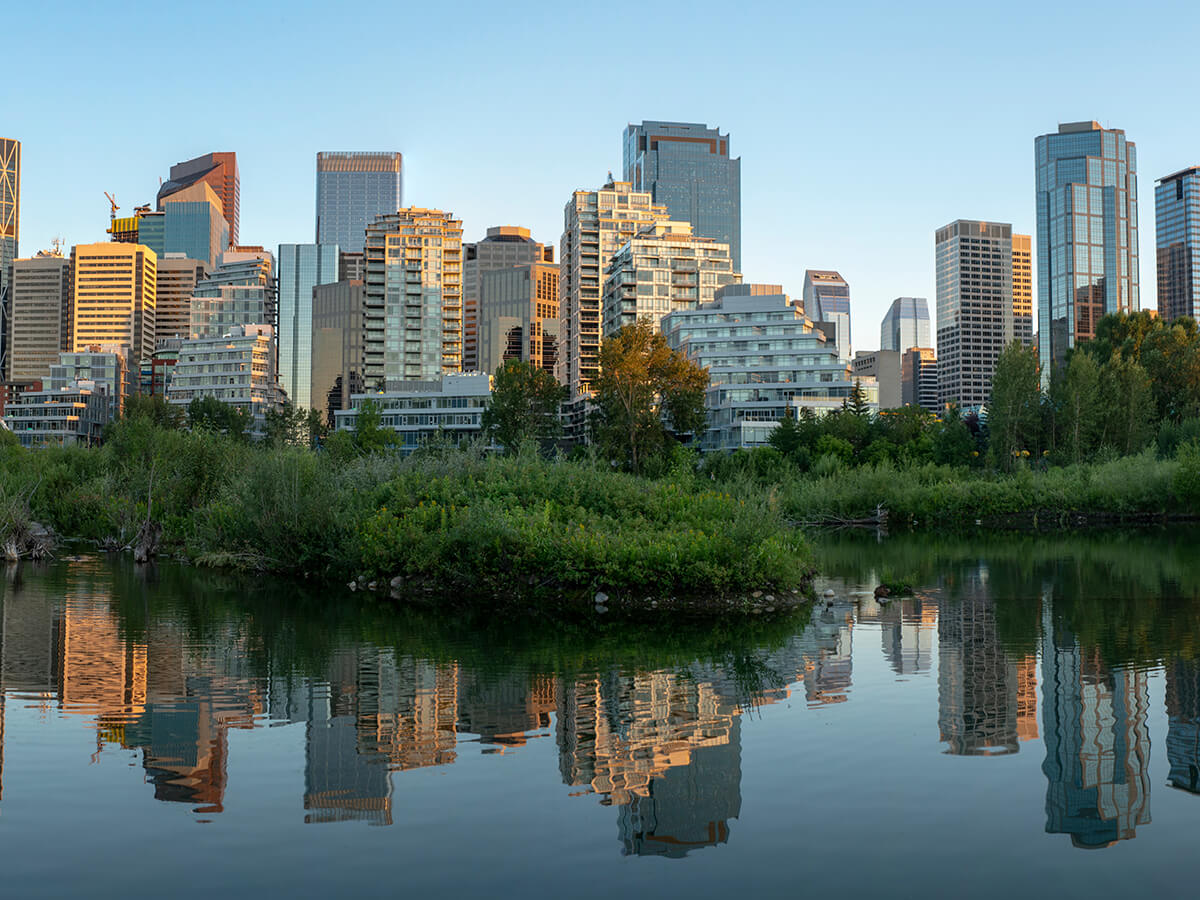
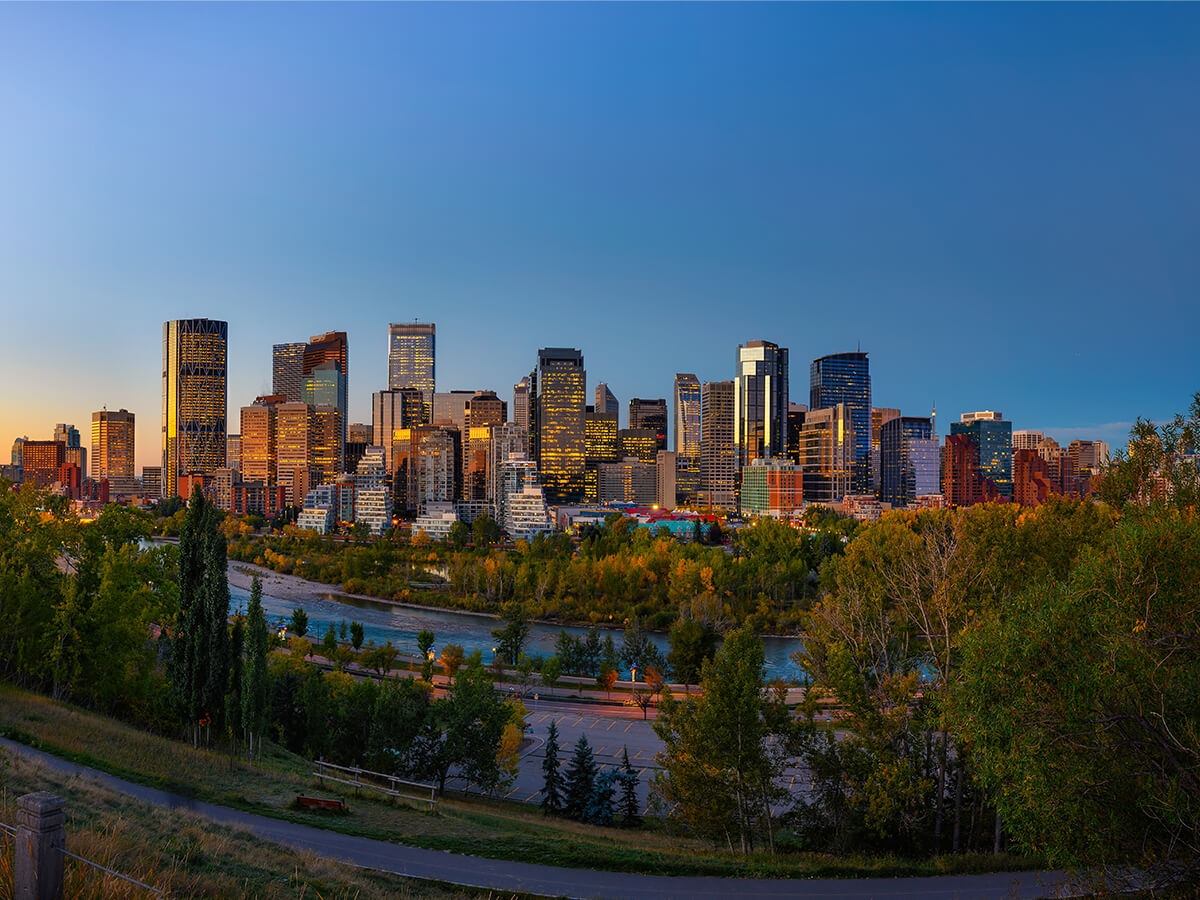
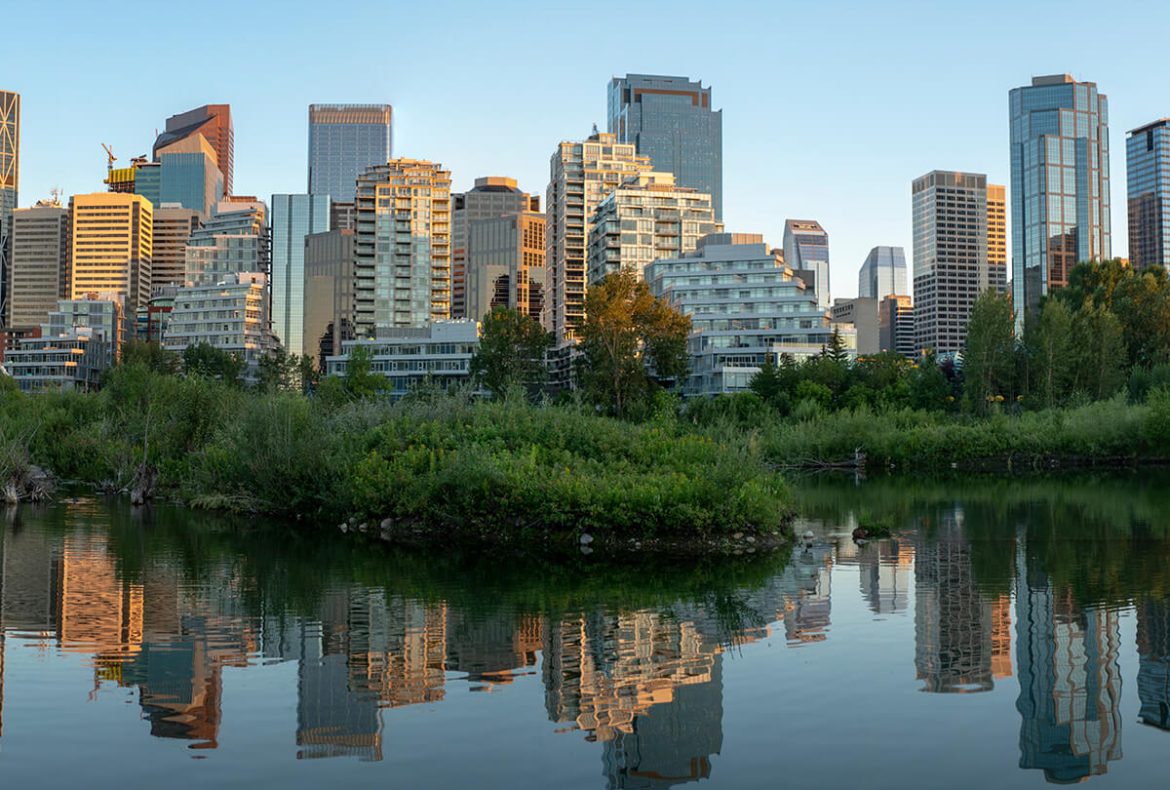
Calgary is, by contrast, a new, sprawling, and car-centric city. It grew outward, not upward, creating a vast landscape of suburban communities. While the downtown is dense with skyscrapers, it is connected by the “Plus 15” network; an extensive 16-km (10-mile) system of elevated, enclosed skywalks. This allows office workers to go for lunch, attend meetings, and run errands in a short-sleeve shirt, even when it’s -30°C outside. It’s a brilliant piece of urban design, but it can make the downtown streets feel empty during the week. You will need a car.
6. The Cost of Daily Life: The 5% Difference
The most positive sticker shock in Calgary is the tax. Michigan’s 6% state sales tax is gone, replaced by only the 5% federal Goods and Services Tax (GST). Alberta has zero provincial sales tax. This 0% PST provides a significant lifestyle perk, making daily spending noticeably cheaper.
This tax benefit, however, is offset by other expenses. The housing comparison is complex; Calgary’s market is generally on par with or more affordable than cities like Ann Arbor. However, groceries and mobile phone plans are consistently more expensive in Canada. While handling the initial moving & storage in Calgary is a one-time cost, the daily tax savings are a permanent benefit to weigh against these higher monthly bills.
7. The Psychological Shift: Adjusting to a New Nation
Moving from Michigan to Alberta isn’t like moving to Ohio or Wisconsin. It’s an international relocation, and the subtle differences are legion. The political conversation is entirely different; focused on provincial-federal relations, not a two-party system. The metric system (Celsius, kilometres, litres) will become second nature. Even the “politeness” is different; a “Midwest Nice” gives way to a more direct, yet still friendly, “Western Canadian” independence.
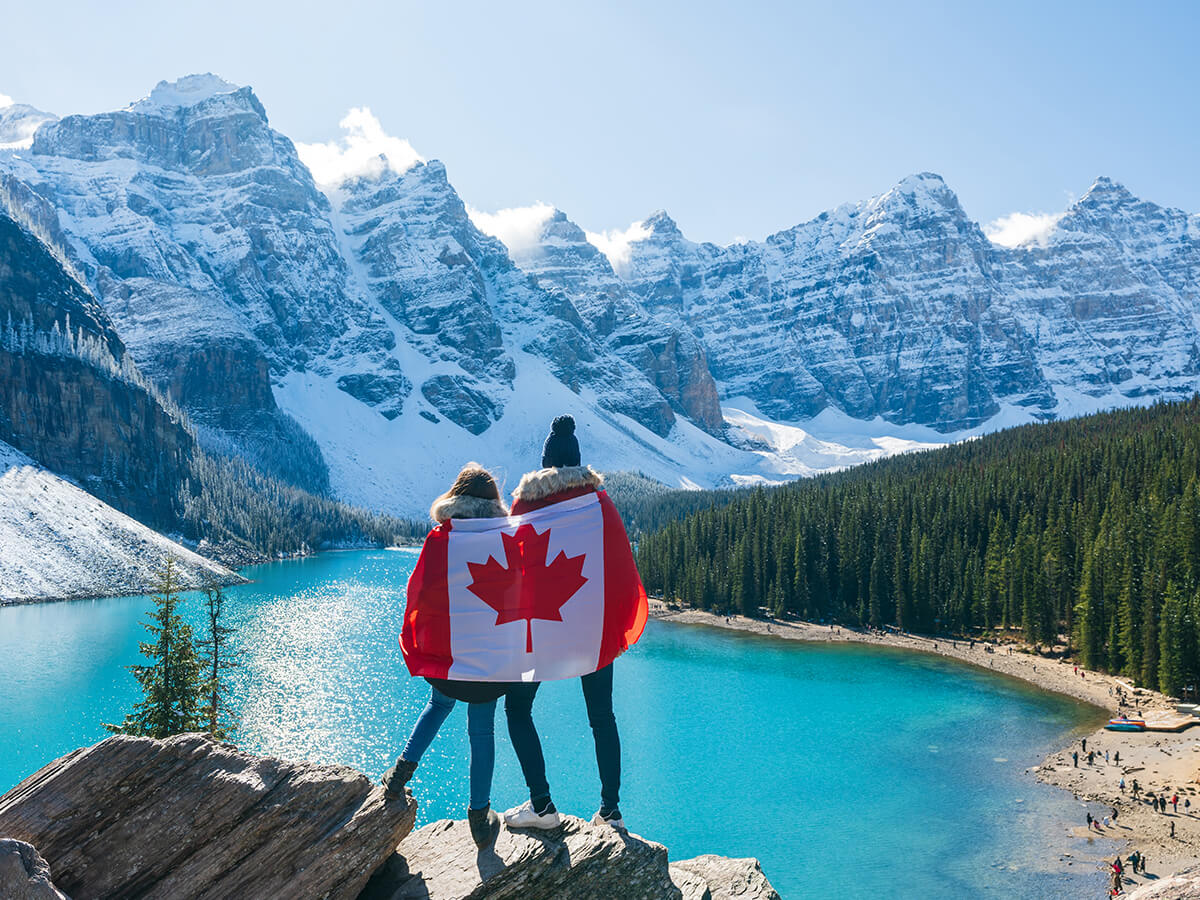
It takes time to adapt. A study shows that the reason for moving (job, family, lifestyle) influences how people feel post-move, but that over time many migrants converge in their subjective well-being with those born where they arrived (Pollenne & Vargas-Silva, 2024). This adjustment period is real, but the sense of opportunity in Calgary, combined with its stunning access to the Rocky Mountains (a world away from the gentle beauty of the UP), creates a powerful draw.
Ready to Make the Stampede City Your Home?
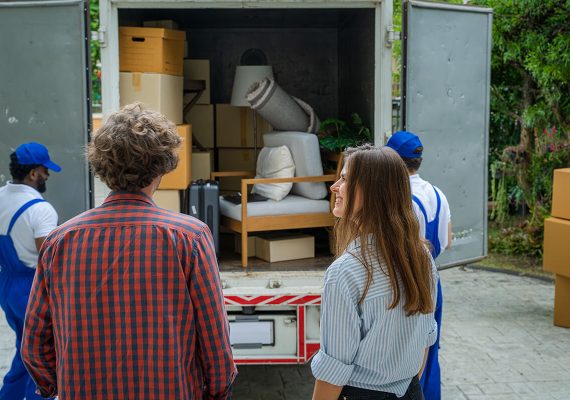
This move is a major life-changing event. You are not just changing your address; you are changing your country. As a leading international moving company, we specialize in managing the complexities of a Canada-U.S. relocation. We handle the logistics so you can focus on your new life. Call E&V Moving Solutions today at 1-888-380-8025 and let us bridge the border for you.