

Top 9 Mistakes to Avoid When Signing a Moving Contract
A moving contract is the most important document you’ll sign when hiring a mover. It sets the terms for the services, prices, and responsibilities for both you and the company. If the details aren’t clear, you could face extra charges, delays, or disputes later on.
Below are nine mistakes people often make when signing a moving contract and how you can avoid them. Whether you’re arranging local moving for a short-distance relocation or planning long distance moving in Canada, these tips will help you protect your budget and your belongings.
1.Signing Before Getting the Full Written Estimate
Many people accept verbal quotes without confirming the details in writing. A verbal estimate might sound fine at first but offers no legal protection if the price changes later. For local moving, a written estimate is essential because hourly rates can add up quickly without you realizing it.
What Must be in the Written Estimate
The document should include all items being moved, the type of service (hourly or flat rate), and extra costs like fuel or distance surcharges. Without these, movers can add surprise fees later.
Red Flags in Vague Estimates
Phrases like “subject to change” or “approximate” are warning signs that the final cost could be much higher. Request exact wording and numbers.
Steps to Take
Ask for a signed, dated copy from the company representative. Keep it safe for future reference.
2. Overlooking the Type of Liability and Valuation Coverage
The coverage you select determines how much you’ll be compensated if something is damaged. Many customers assume all losses will be fully covered, but that’s rarely the case. For long distance moving in Canada, this choice becomes even more important since items will be in transit longer and face more handling.
- Released-value Protection: This basic option covers a small amount per pound, which is often far less than the actual value of your goods. It’s free but offers minimal coverage.
- Full-value Protection: This means the mover will repair, replace, or reimburse the current value of damaged items. While it costs more, it provides better protection for expensive or sentimental belongings.
- Extra Insurance: Consider separate insurance for high-value items. Always list and photograph these before the move.
3. Ignoring Cancellation, Rescheduling, and Delay Policies
Moving dates can shift due to weather, availability, or personal emergencies. If your contract doesn’t have clear cancellation or rescheduling terms, you could lose money. For local moving, these policies can be the difference between paying a small fee or losing your entire deposit.
- Cancellation Fees: Most companies require a set notice period to cancel without a penalty. Late cancellations can mean forfeiting your deposit.
- Rescheduling Terms: Some movers let you reschedule without charge if you give enough notice, while others add fees. Always get these rules in writing.
- Delays Caused by Movers: The contract should state what happens if delivery is delayed, such as covering storage or temporary accommodation costs.
4. Not Checking Fuel, Weight, and Access Surcharge Clauses
Some of the biggest surprises on a moving bill come from hidden surcharges. These can include fuel costs, weight-based charges, and fees for difficult property access. For long distance moving in Canada, fuel surcharges and weight fees can be significant, so knowing the exact formula upfront is critical.
- Weight-based Charges: Understand how the mover calculates charges based on weight. Ask if they will weigh the truck before and after loading in your presence.
- Access-related Fees: Stairs, elevators, narrow driveways, or long carries can result in extra charges. Provide property details in advance to avoid disputes.
- Fuel or Toll Surcharges: Request examples or caps on these charges. Having them in writing will protect you from inflated costs.
5. Failing to Read Dispute Resolution and Liability Limits
Many contracts contain clauses about arbitration, jurisdiction, and limits on liability. These can affect your ability to get fair compensation if something goes wrong. Always understand these terms before you sign.
- Arbitration Clauses: This can mean you must settle disputes outside of court, which may limit your options.
- Liability Limits: Some contracts cap the payout amount regardless of the loss. Negotiate these terms if they seem unfair.
- Protecting Your Rights: Ask if the mover can adjust or remove restrictive clauses. It’s better to negotiate upfront than face limits later.
6. Skipping Inventory Lists and Condition Reports
A detailed inventory and condition report are your best proof if you need to file a damage claim. Without them, it’s hard to show what was lost or damaged. For local moving, you might think you don’t need it, but even short moves can cause damage.
- What to Include: List each item, its quantity, and its condition before loading. Include serial numbers for electronics when possible.
- Using Photos and Videos: Take timestamped images of your belongings. This visual record can make the claims process much smoother.
- Mover’s Role: Ensure movers check and sign off on the inventory before starting.
7. Putting Down Large Deposits Without Payment Protections
Large upfront payments can be risky if the mover cancels or doesn’t show. Safer payment arrangements can help protect your money. For long distance moving in Canada, deposits are more common, but you should still keep them within reasonable limits.
- Acceptable Deposit Amounts: A small deposit is normal, but a full prepayment is not. Be cautious if asked for more than 25–30% upfront.
- Safer Payment Methods: Use credit cards for added protection. Avoid large cash payments that are hard to track.
- Verification Before Payment: Check the mover’s license, insurance, and customer reviews before handing over any money.
8. Ignoring Additional Services and Hidden Fees
Packing, furniture assembly, and appliance servicing can all add to the bill. If the contract doesn’t list these clearly, you might be charged unexpected amounts. For local moving, packing services may be optional, so only agree to what you need.
- Common Add-ons: Extra packing materials, furniture dismantling, and special handling for fragile items can all cost more.
- Itemized Pricing: Request a full breakdown of costs for optional services. This helps you compare quotes fairly.
- Approval for Extras: Ensure the contract says you must approve any additional charges before they are added.
9. Not Verifying Company Credentials, License, and Insurance
Licensing and insurance details protect you if something goes wrong. They show the mover is operating legally and can cover damages. For long distance moving in Canada, this is even more important because your belongings will travel through multiple jurisdictions.
- Checking Licenses: Verify the mover’s registration with the appropriate government agency.
- Confirming Insurance: Ask for proof of coverage and contact the insurer to confirm it’s active.
- Spotting Fake Documents: Be cautious of documents without clear issue dates or official seals.

Pre-Signing Checklist
Before signing, confirm you have: a full written estimate, chosen liability coverage, clear cancellation terms, surcharge details, a dispute resolution clause you understand, an inventory list, reasonable deposit terms, a breakdown of extra services, and verified company credentials. Keep all documents and emails in one folder for easy access.
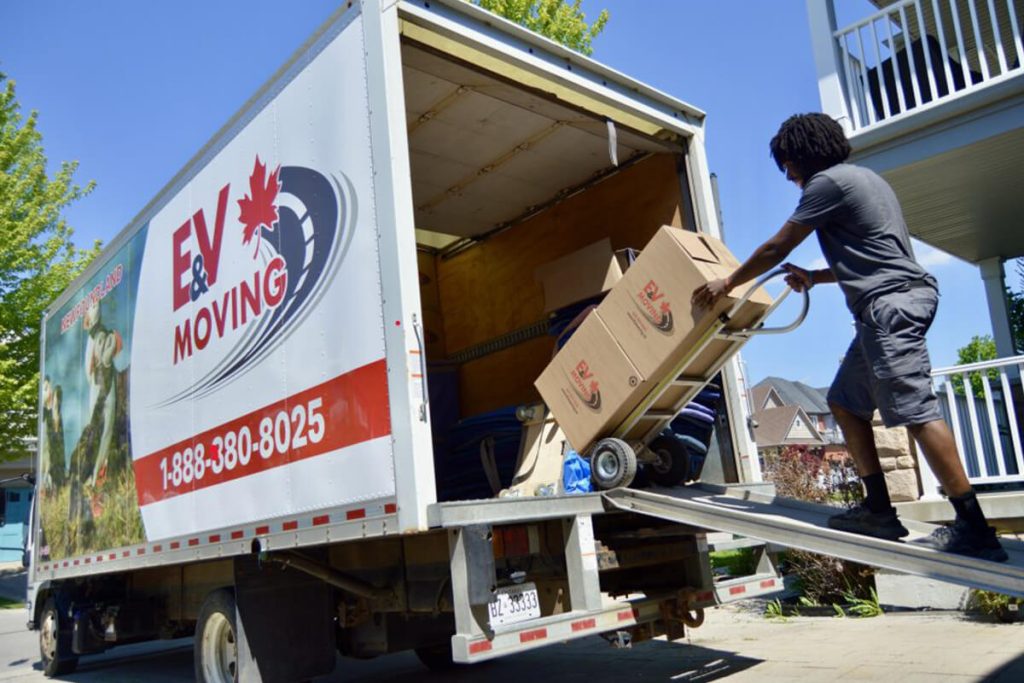
Turn Moving Day into a Success with E&V Moving Solutions
Avoiding these mistakes can save you time, money, and stress — but having the right mover makes the process even smoother. E&V Moving Solutions offers clear contracts, transparent pricing, and full protection for your belongings. Our experienced team ensures every detail is covered so you can focus on settling into your new home.
Whether you’re moving across the street or to another province, our tailored moving services in Calgary keep your relocation simple and hassle-free. We provide everything from careful packing to efficient transport, ensuring your belongings arrive safely. With E&V Moving Solutions, you can move forward with confidence knowing you’ve chosen a trusted partner.
Call us today at 587-470-230, and let our professional team handle the heavy lifting while you enjoy a smooth transition.