Keen on a Safer Move? 10 Safety Benefits to Hiring a Professional Moving Company
Moving can be a complex task, especially if you’ve got plenty of large, heavy items to take with you. Heavy furniture, fragile belongings, and bulky boxes represent noticeable physical and logistical hurdles you’ll need to address to transport safely to your new home. Moving those items requires ample effort, spatial awareness, and occasionally specialized equipment to prevent property damage and personal injury. Hiring a professional moving company is a prudent investment, especially where it regards those items. Leaving the job to the pros helps mitigate these risks thanks to their standardized transportation procedures, heavy-duty equipment, and rigorous training to the highest safety standards. Here are ten distinct safety benefits of securing professional moving services.
1. Knowledge of Proper Lifting Technique
As the advice goes, always lift with your legs and not your back. Proper lifting technique is essential to moving heavy household goods to avoid back-related injuries. Moving large objects demands a specific postural alignment to distribute mechanical stress away from the vulnerable lumbar spine and towards the stronger muscle groups of the legs and core.
Professional movers undergo rigorous training in physical ergonomics, which includes learning how to position their bodies close to the load, maintain a neutral spine, and generate lifting power entirely from the lower body. This approach prevents the spinal flexion and rotation that cause injuries such as disc herniations and muscle strains. Furthermore, professionals understand the biomechanical limits of the human body; with that in mind, they know when and how to employ synchronized team-lifting protocols for objects exceeding standard weight thresholds. By outsourcing this part of the moving process, property owners eliminate the risk of injury to the back and lower body while packing those heavy loads.
2. Possession of Specialized Equipment
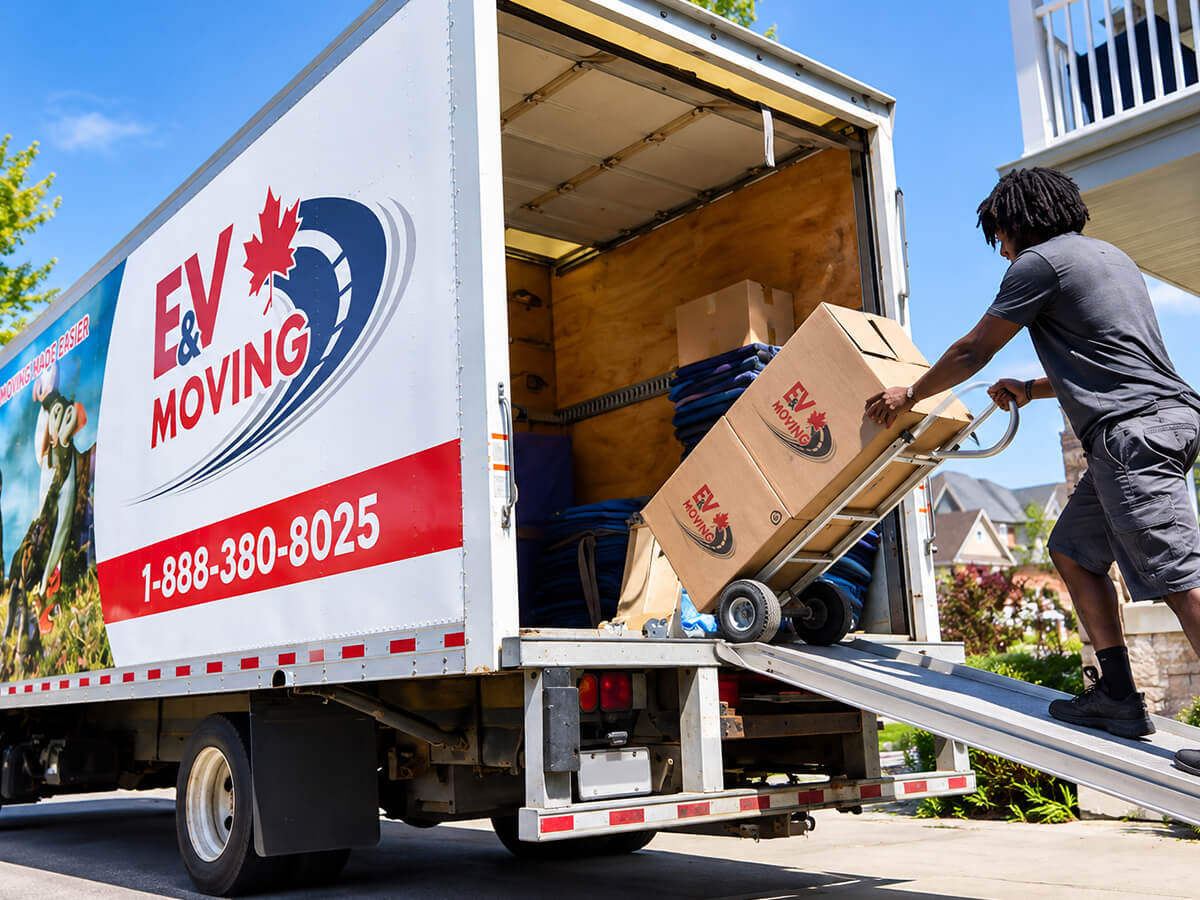
Household objects like solid wood armoires, upright pianos, and large household appliances can weigh many times what a person can lift on their own. As such, attempting to lift or slide these items manually is an inherently dangerous job. Professional moving companies maintain a wide range of specialized mechanical aids designed specifically to make manipulating such massive loads a safer prospect.
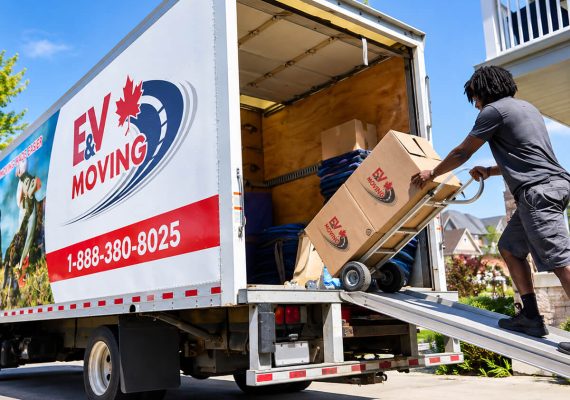
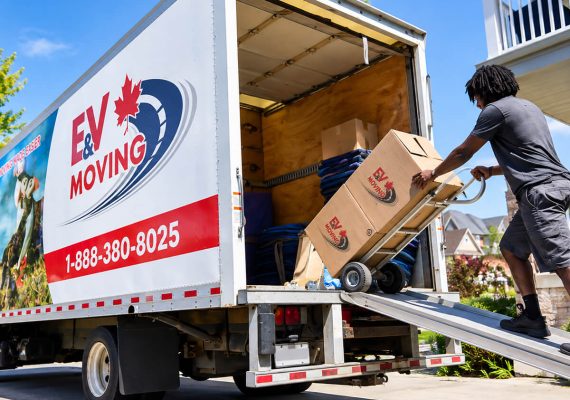
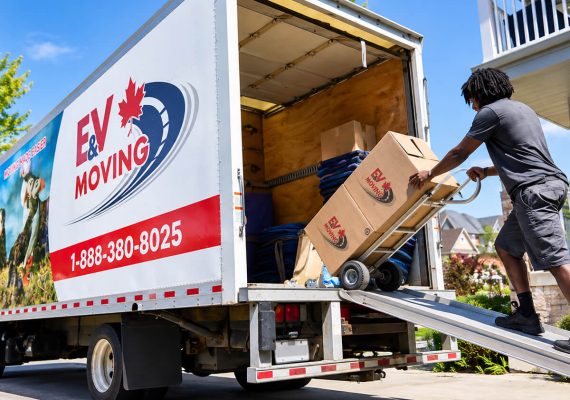
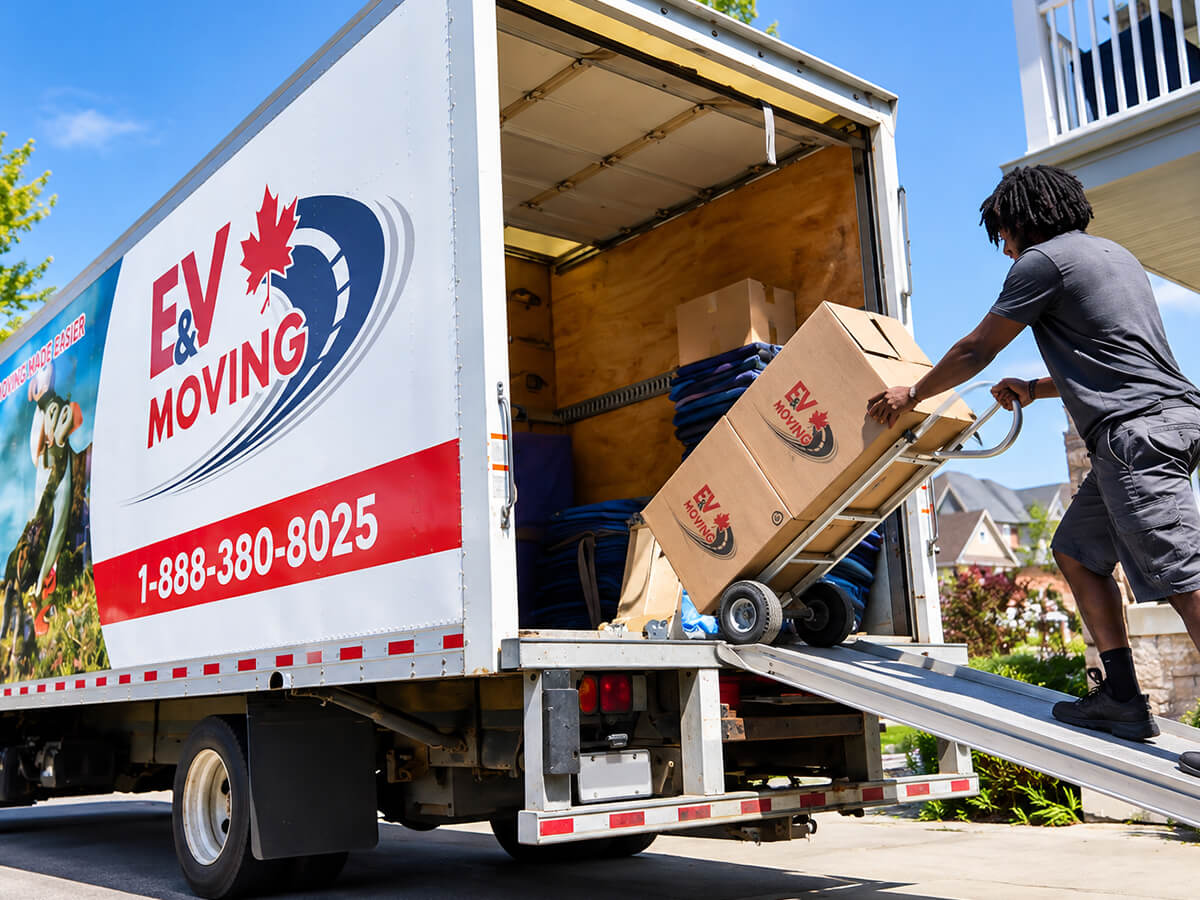
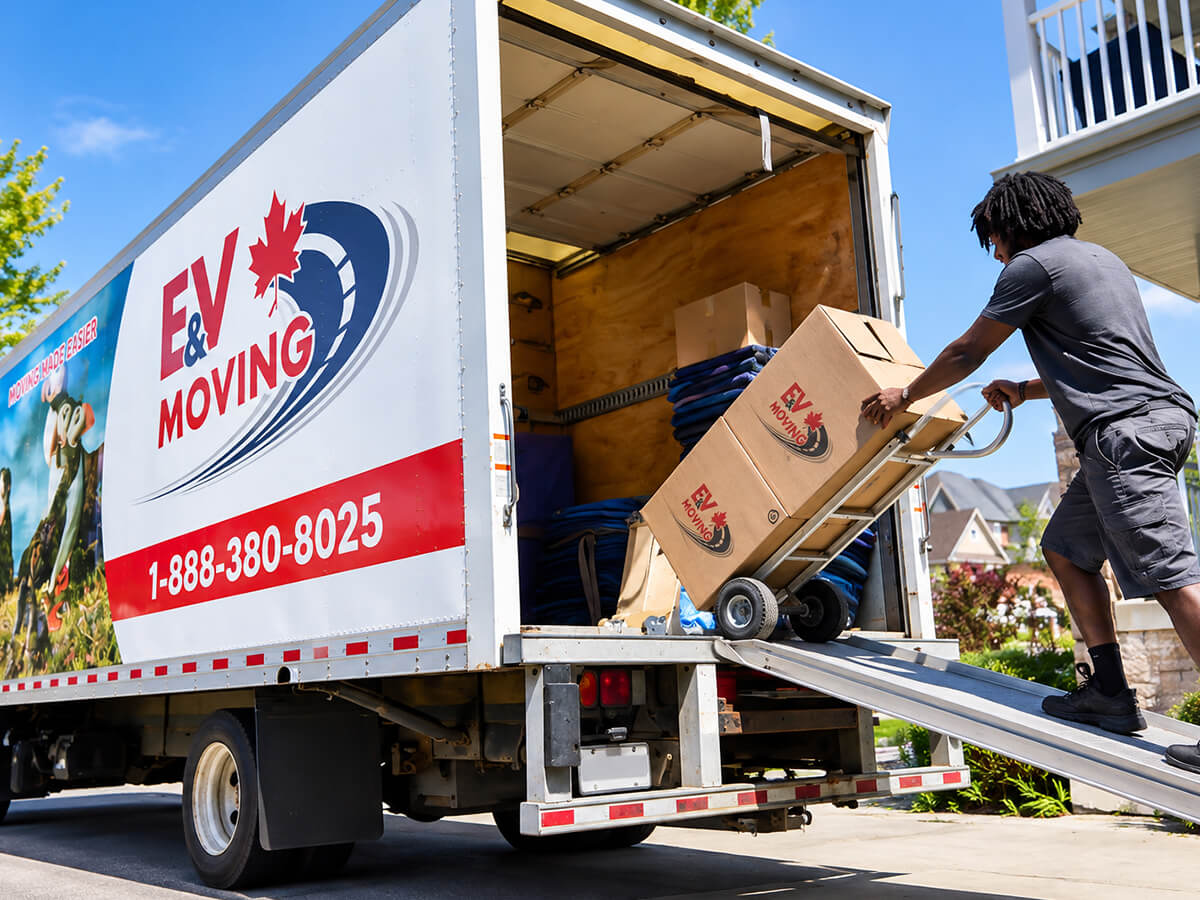
Standard equipment includes heavy-duty appliance dollies equipped with strap mechanisms to secure tall loads, four-wheel platform dollies for flat transit, and specialized hand trucks designed specifically to climb stairs. Movers also use forearm lifting straps and shoulder harnesses, which alter the center of gravity of a heavy object and transfer the weight to the strongest parts of the body while keeping the hands free for stabilization. By applying mechanical advantage through wheels, levers, and pulleys, professional movers maintain absolute physical control over heavy items, preventing the drops and slips that cause severe crushing injuries.
3. Protection of their Surroundings during Transportation
Manoeuvering bulky, rigid objects through narrow domestic spaces can threaten the structure and appearance of both the original home and the destination if not done carefully. Scraping a heavy sofa against a drywall corner or dropping a solid oak table onto a hardwood floor, for example, will cause immediate and costly damage.
Professional movers prioritize environmental safety via extensive property preparation before the actual moving begins. Measures like padded elevator blankets, secure thick neoprene floor runners over high-traffic walkways, and custom-fitted corner guards to vulnerable wall intersections can be installed before carrying any furniture to ensure those areas are given adequate protection. Staircases receive heavy-duty protective covers, and door jambs are shielded with specialized padding as well. All these measures ensure that heavy items can be pivoted, tilted, and transported without causing undue damage to sensitive areas of the house as you leave or enter.
4. Strategic Load Distribution During Transportation
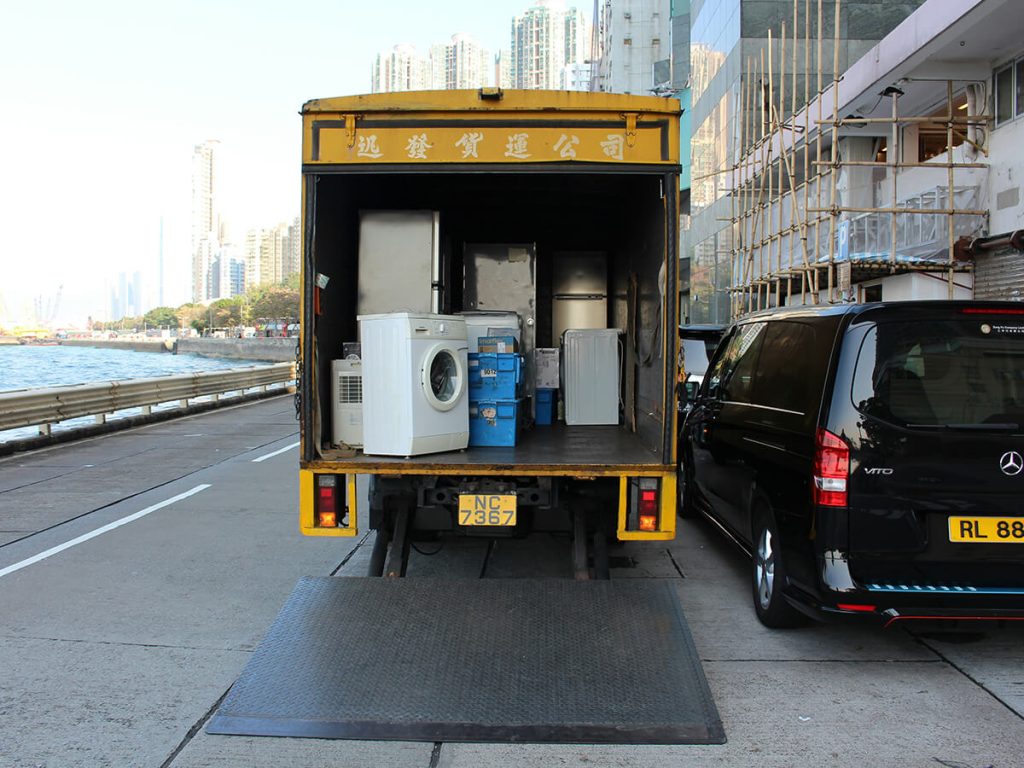
Knowing proper loading and unloading practices isn’t just a useful skill for work; it’s good to know when you’re moving as well. A loaded moving truck operates as a heavy commercial vehicle, and its stability on the road depends entirely on how the cargo is arranged inside the box. Improper weight distribution severely alters a truck’s center of gravity, increasing the braking distance and heightening the risk of rollovers during sharp turns or sudden lane changes.
Professional movers therefore meticulously engineer the loading process to maintain safety. They distribute the heaviest items (such as major appliances, safes, and solid furniture) evenly across the floor space, positioning the most significant mass forward and low to the deck. Lighter boxes and irregularly shaped items are systematically stacked and interlocked above this heavy foundation. Once a tier is built, movers use high-tensile ratcheting straps to bind the load securely to the structural rails of the truck walls. This rigid securing prevents the dangerous shifting of cargo that can violently unbalance the vehicle at highway speeds.
5. Safe Handling of Fragile Household Goods
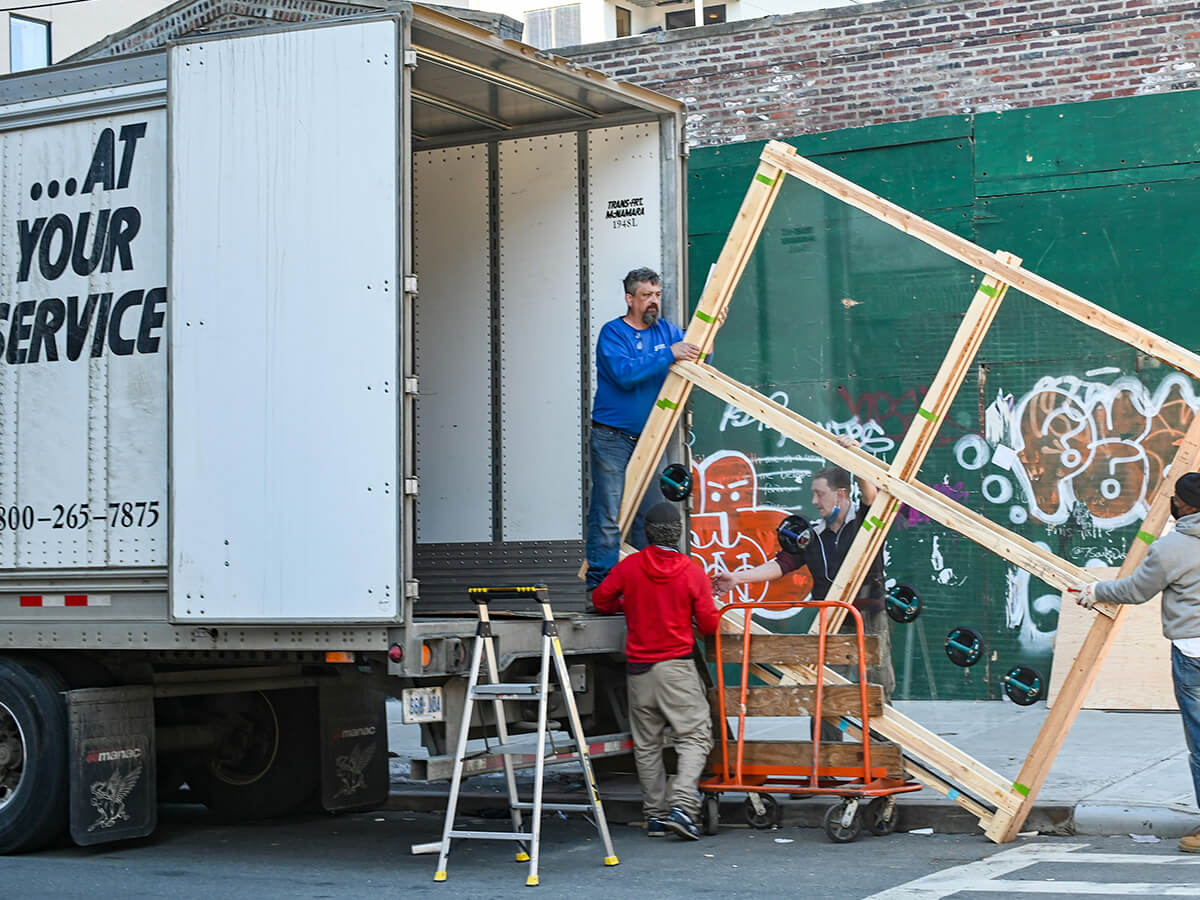
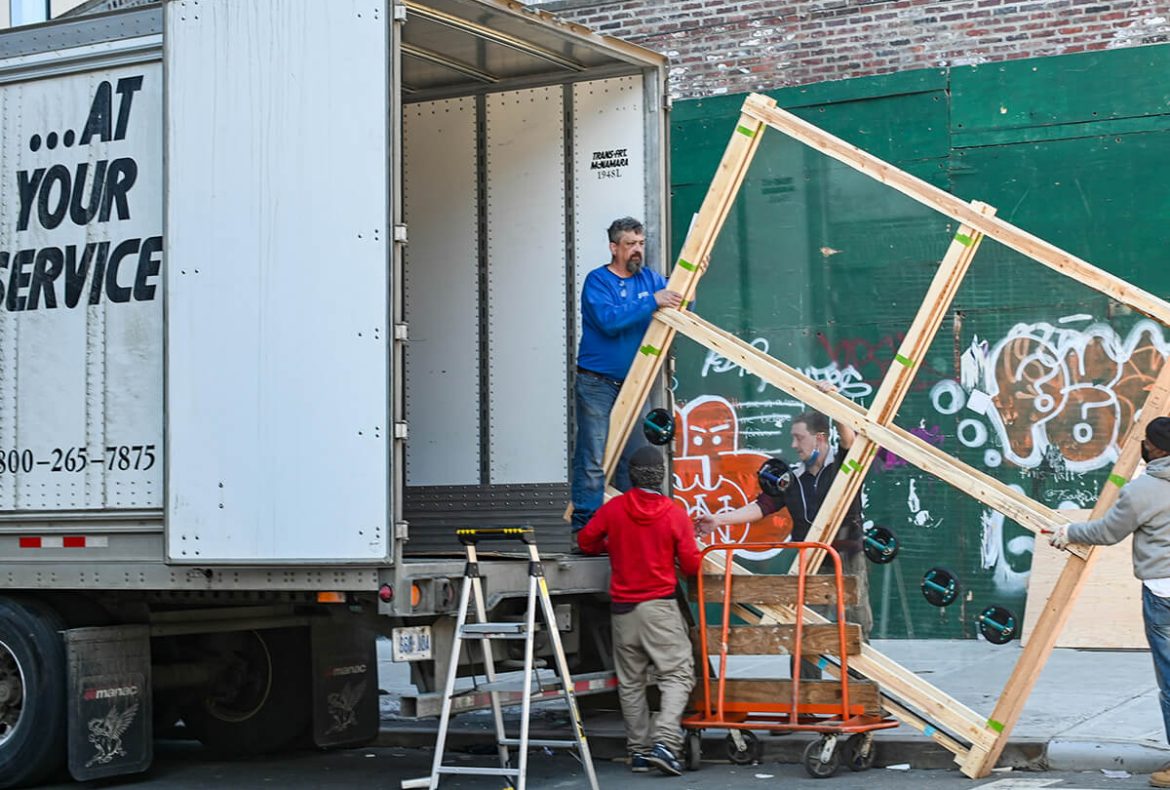
Many homes very often contain numerous fragile or hazardous items that require specific handling protocols. Large panes of glass, oversized mirrors, lithium-ion batteries, and sharp garden tools are some examples of dangerous items that can pose risks if packed or transported incorrectly.
Professionals know how to pack these fragile objects to both avoid damaging them and prevent injury to anyone nearby should they get broken. Glass tabletops and oversized mirrors are secured within customized, rigid telescopic cartons that prevent flexing and shattering during transit, while sharp items are heavily padded and isolated. Professional movers also understand the regulations behind the transport of hazardous household chemicals, pressurized cylinders, and flammable liquids, ensuring these dangerous goods are either safely prepared for transit or properly excluded from the moving truck to prevent chemical spills or combustion in a confined space.
6. Prevention of Physical and Mental Exhaustion
The physical demands of a residential move are some of the most relentless parts of the process. The heavy lifting required by a move often takes hundreds of repetitive actions, including bending, lifting, carrying, and climbing stairs once all is said and done. When untrained individuals attempt to complete this volume of physical labour (in a single day assuming a shorter move), severe fatigue sets in rapidly.
Some physical consequences of fatigue are degraded cognitive function, slowed reaction times, and compromised physical coordination. As exhaustion increases, it’s common to take physical shortcuts, which can then compromise your lifting posture, and cost you a firmer grip on heavy objects, increasing the risk of accidents. Professional movers possess the physical conditioning required to sustain this specific type of labour over extended hours. More importantly, they operate in teams, allowing for systematic rotation and rest intervals and ensuring that heavy objects are handled with the same precision and care at the end of the day as they were at the beginning.
7. Availability of Transportation Vehicles
Renting a moving truck places an unfamiliar, heavy commercial vehicle into the hands of an untrained driver. Consumer rental trucks often lack the advanced safety features of a professional fleet and are frequently driven by individuals unaccustomed to managing extended braking distances, wide turning radiuses, and high-clearance structures.
Professional moving companies maintain specialized fleets of commercial transport vehicles. These trucks are equipped with air-ride suspension systems that absorb road shock, preventing items from vibrating violently or colliding within the cargo area. The vehicles undergo rigorous, scheduled mechanical maintenance, ensuring optimal performance of heavy-duty hydraulic brakes and steering systems. Finally, these vehicles are operated by trained, commercially licensed drivers who possess the spatial awareness and technical skill required to safely pilot heavy trucks through tight residential streets, adverse weather conditions, and dense highway traffic.
8. Mitigation of Weather-Related Hazards
Moving schedules are rarely flexible, meaning relocations must often proceed during less-than-ideal weather conditions. Rain, freezing rain, and snow can instantly transform wooden stairs, concrete driveways, and steel truck ramps into dangerous, low-traction surfaces.
Professional movers arrive prepared to manage environmental hazards safely. They deploy heavily textured, anti-slip matting across all exterior transit paths and continuously clear snow or pooling water from the loading zone. The professionals themselves wear industrial-grade footwear equipped with specialized slip-resistant treads to maintain traction under heavy loads. Additionally, they use industrial shrink wrap and waterproof moving blankets to seal porous furniture and electronics, ensuring that the moisture does not degrade the integrity of cardboard boxes or cause electrical hazards upon delivery.
9. Secure Disassembly and Reassembly Procedures
Large furniture pieces, such as modular sectionals, multi-piece dining tables, and complex bed frames, cannot be safely moved while fully assembled. Attempting to force assembled, oversized furniture through narrow doorways often results in serious injury and severe property damage.
Moving crews employ standardized mechanical procedures to disassemble bulky items safely. They carry complete toolkits and systematically remove legs, unbolt frames, and detach fragile components before transport. By reducing large items down to their individual, manageable components, movers eliminate the need for awkward, dangerous manoeuvering. Upon arrival at the destination, the team performs the reverse operation, reassembling the furniture precisely and verifying its structural stability before leaving it ready for use.
10. Financial Security Through Comprehensive Valuation Coverage
While physical safety is the primary concern, financial safety is equally critical during a relocation. When individuals handle their own move, any damage to a high-value item (such as dropping a television or shattering a vintage mirror) results in an immediate, unrecoverable financial loss.
Professional moving companies provide structured financial protection through comprehensive valuation and liability coverage. Before the move begins, a detailed inventory is recorded. If an item is dropped, damaged by shifting cargo, or scratched during transit, the moving company’s valuation policy provides specific financial recourse for repair or replacement. This arrangement transfers any financial risk of property damage entirely away from the homeowner and onto the service provider, ensuring the client’s assets are protected against any uncertainties of transportation.
Choosing to hire a professional moving company means choosing to invest in your safety, and that of your things, for your move. By delegating the heavy lifting and logistics to trained experts equipped with the right tools, you take steps to protect your physical health, preserve your valuable property, and secure your financial peace of mind during a potentially complex relocation.
Are you ready to experience a safe and seamless relocation? Let the movers at E&V Moving Solutions handle all the heavy lifting. Leave the heavy lifting to our highly trained team and let us help you by protecting your physical health, your valuable belongings, and your property. Call us now at 587-470-230 to schedule your secure move today.