Relocating From the GTA to Austin: Tech Worker Moving Guide and Logistics
Key Takeaways
- Securing employment under USMCA regulations is the initial requirement before coordinating physical transport or booking border crossing dates.
- Gathering accurate customs forms like CBP Form 3299 prevents long delays during your transit across state lines.
- Hiring an experienced long-haul carrier protects sensitive electronics and ensures your belongings clear federal inspections without complications.
- Closing out Canadian obligations like OHIP coverage and municipal utilities prevents unexpected administrative problems after your arrival in Travis County.
- Setting up your Texas driver’s licence, Social Security number, and local bank accounts must happen immediately after crossing.
Leaving the Greater Toronto Area for the Austin tech corridor marks a major transition in your engineering or product career. Swapping Ontario winters for central Texas heat means trading the 401 for MoPac, shifting your legal tax residence, and hauling your entire life across an international border. Moving south involves specific steps, from processing your TN status at a designated crossing to arranging the long-haul transit of your household belongings. Setting realistic timelines and handling your cross-border paperwork early prevents costly delays, ensuring your transition into Silicon Hills goes smoothly.
According to Statistics Canada, outbound migration from Canada to international destinations has steadily included specialized technical workers seeking lower income tax burdens and growing tech hubs. Austin remains an attractive target with its large presence of hardware manufacturers, cloud infrastructure providers, and venture capital firms. Successfully establishing your new life requires clear coordination between legal paperwork, physical shipping, and municipal setup. Getting the logistics sorted ahead of time frees you up to focus on onboarding at your new engineering office or remote workstation.
Immigration Paperwork and Customs Clearance
Preparing personal items for international transport requires strict adherence to federal customs declarations and employment visa verifications.
- Secure approved professional visa documentation: Obtain your formal support letter and credentials evaluation before scheduling your move. The US border officers review these original documents at designated ports of entry. Having these papers organized prevents transport cancellations and guarantees that your cross-border employment status remains completely valid when moving to Texas from Canada.
- Fill out US Customs Form 3299: Border protection requires a complete Declaration for Free Entry of Unaccompanied Articles. You must list used personal effects accurately to avoid border duties and hold-ups. The clearance paperwork must state clearly that household items are for personal use rather than commercial resale within American markets.
- Create a comprehensive itemized inventory: Record every container with general descriptions of contents, approximate ages, and current replacement values. Customs authorities inspect these packing manifests during vehicle border crossings. Keeping an accurate list prevents inspections from turning into lengthy unloading delays, particularly when carrying high-value computer hardware and technical office setups.
- Declare home office technology and displays: Pack original purchase receipts for high-end monitors, custom desktop workstations, and testing devices. While used personal electronics cross tax-free under personal exemptions, proof of prior ownership confirms you did not buy them specifically for export. Clear serial number documentation expedites the inspection process considerably.
- Organize animal veterinary records for inspection: Dogs and cats require up-to-date rabies vaccination certificates issued at least one month prior to crossing. Texas animal health rules align closely with federal requirements at road border crossings. Keep these certificates in your personal vehicle rather than inside moving vans to avoid inspection holdups.
- Review restricted household and yard goods: Leave firewood, specific house plants, and unsealed food items behind in Ontario. Transporting restricted agricultural products can trigger complete truck impoundment and fines at border posts. Check current federal lists to confirm your home maintenance equipment and garden tools are scrubbed completely clean.
Planning the route for moving from Toronto to Texas requires strict customs compliance. To ensure your shipment clears border regulations without stress, contact E&V Moving Solutions at 1-888-380-8025 in Ontario or (587) 470-2308 in Alberta for experienced cross-border transport support.
Packing, Transit Routes, and Shipment Logistics
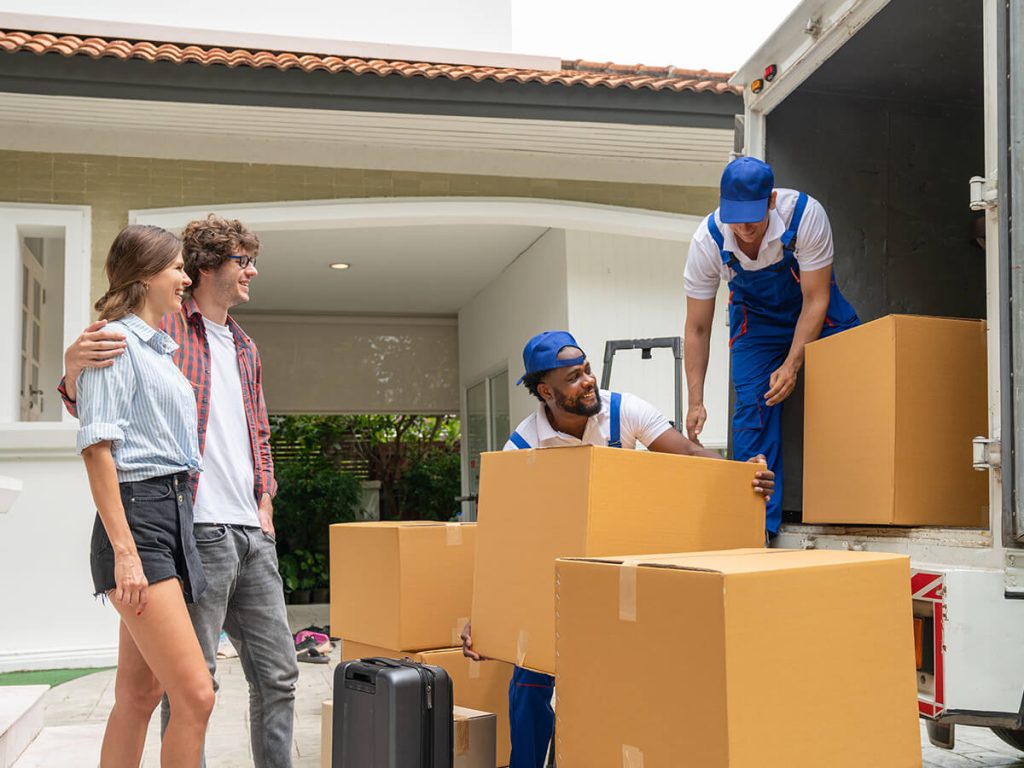
Transporting personal goods across twenty-five hundred kilometres demands secure packing methods and reliable transport schedules.
- Use heavy-duty industrial shipping containers: Standard cardboard boxes often crush under heavy loads during long cross-country transport runs. Double-walled corrugated boxes protect delicate belongings against vibrations along southern interstate corridors. Investing in sturdy packing containers keeps your personal items secure through shifts in temperature and humidity along southern highways.
- Pad and isolate fragile display panels: Wrap liquid crystal panels and curved monitors with anti-static bubble wrap before placing them in reinforced crates. Pack computer monitors vertically rather than flat to prevent glass fractures from road impacts. Fill remaining box voids with dense foam to stop internal movement entirely.
- Map out multi-day vehicle transit routes: Driving your personal vehicle down from Ontario requires multiple overnight stops through the American Midwest. Plan your travel through Michigan, Indiana, and Arkansas to avoid severe weather bottlenecks. Booking pet-friendly motels and secure parking spots in advance ensures safer rest periods throughout the drive.
- Label cartons by designated household zone: Write room names and priority numbers on the exterior edges of every box. This system helps movers place items directly into correct rooms upon arrival in Austin. Unpacking essential kitchen items and bedroom furniture first eases your initial days in an unfamiliar home.
- Separate essential work equipment for personal transport: Transport your daily corporate laptop, identity cards, and initial work clothing inside your personal vehicle. Long-distance transport vans can face road holds or weather delays across various states. Keeping critical work tools with you guarantees you can begin your new job without interruption.
- Confirm cross-border vehicle import clearances: Import personal motor vehicles by obtaining formal compliance letters from your car manufacturer. US border officials require Department of Transportation Form HS-7 and Environmental Protection Agency Form 3520-1. Completing this documentation guarantees you can register your vehicle smoothly once settled in central Texas.
When preparing for moving from Toronto to Texas, trust the team at E&V Moving Solutions. Call their Ontario office at 1-888-380-8025 or reach the Alberta branch at (587) 470-2308 to reserve your transit window.
Settling In Austin and Closing Canadian Ties
Establishing local services in Texas while winding down your Ontario footprint requires steady administrative follow-through.
- Notify provincial health insurance and tax agencies: Inform ServiceOntario about your departure date to cancel your provincial health coverage properly. The Canada Revenue Agency requires an accurate exit tax filing indicating your cessation of Canadian residency. Closing these accounts promptly prevents residency disputes and surprise tax reassessments down the road.
- Apply for your US Social Security number: Visit a regional Social Security Administration office around Austin ten days after crossing the border. This waiting window allows federal border arrival records to update across all databases. You need this number immediately to process local payroll, lease agreements, and home utility connections.
- Secure local rental housing in Austin neighbourhoods: Research communities close to work hubs, such as Downtown, the Domain, or South Congress. Proximity to major corridors reduces your daily commuting times in Travis County traffic. Securing your lease early provides a verified local address for banking and service connections
- Open regional American banking facilities: Set up checking accounts with a major bank to avoid foreign conversion charges on daily expenses. Transfer your initial living funds from Canada using specialized exchange platforms to reduce transfer fees. Having local accounts open simplifies receiving your direct deposit tech wages on schedule.
- Obtain your Texas driver’s licence promptly: Schedule an appointment with the Texas Department of Public Safety within ninety days of arriving. Bring your foreign passport, proof of lawful status, vehicle inspection papers, and residential lease. Passing the local road knowledge requirements provides an official state identity card for daily transactions.
- Connect Austin municipal utility services: Arrange electricity, water, and waste collection through Austin Energy before your planned move-in date. The municipal utility requires proof of residency and identity verification to start service. Setting up accounts early prevents moving into a home without functioning air conditioning in the summer.

Moving to Texas from Canada is a major undertaking that rewards thorough preparation. By addressing customs paperwork, planning your travel schedule, and understanding local housing requirements, you avoid the administrative headaches common to cross-border transitions. Treating each task as a clear, sequential step helps you maintain control throughout the entire trip.
For complete handling of your freight logistics, customs paperwork, and delivery procedures, contact E&V Moving Solutions at 1-888-380-8025 (Ontario) or (587) 470-2308 (Alberta).