How Do You Make Moving Simple? 8 Dos and Don’ts to Keep in Mind
Moving is always a major life event, and it can weigh on everyone in the family regardless of age. The moving process itself can feel like a long list of tasks, all of them demanding your complete attention. From packing, planning, and coordinating the process until the big day, all the work that goes into making the move a smooth one can wear anyone down without a clear plan.
As such, it helps to have some tips in your arsenal to help you deal with all that work. Knowing how to deal with relocation anxiety and how to prep for moving go a long way to making the process feel more smooth and soothe any worries. No matter how far you’re going, these dos and don’ts can go a long way to keeping you organized and helping you avoid the common moving problems most folks have to deal with the hard way.
Do:
1. Start Planning Early
It’s always a good idea to get your work done early, more so for complex, time-sensitive work like moving and all its associated sub-tasks.A window of at least six to eight weeks to prepare for your move is a reasonable timeframe for prepping; aim to get your work done within this window to make the task more smooth. Early planning lets you book dates, sort belongings, and set aside time for each task without rushing. Make a simple checklist and assign a week to each room or job. This spreads the work out, gives you ample time to finish each room in turn, and keeps last-minute stress to a minimum.
2. Book Professional Movers in Advance
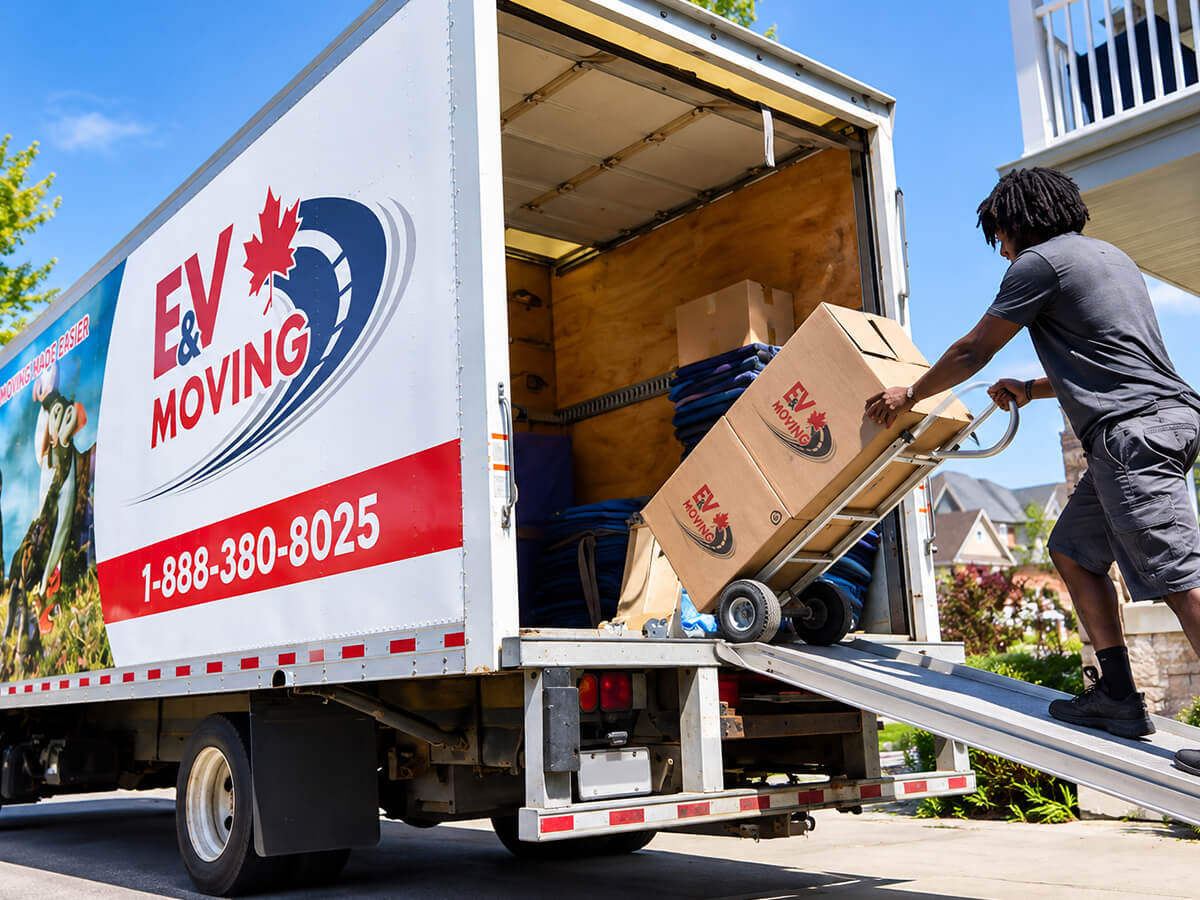
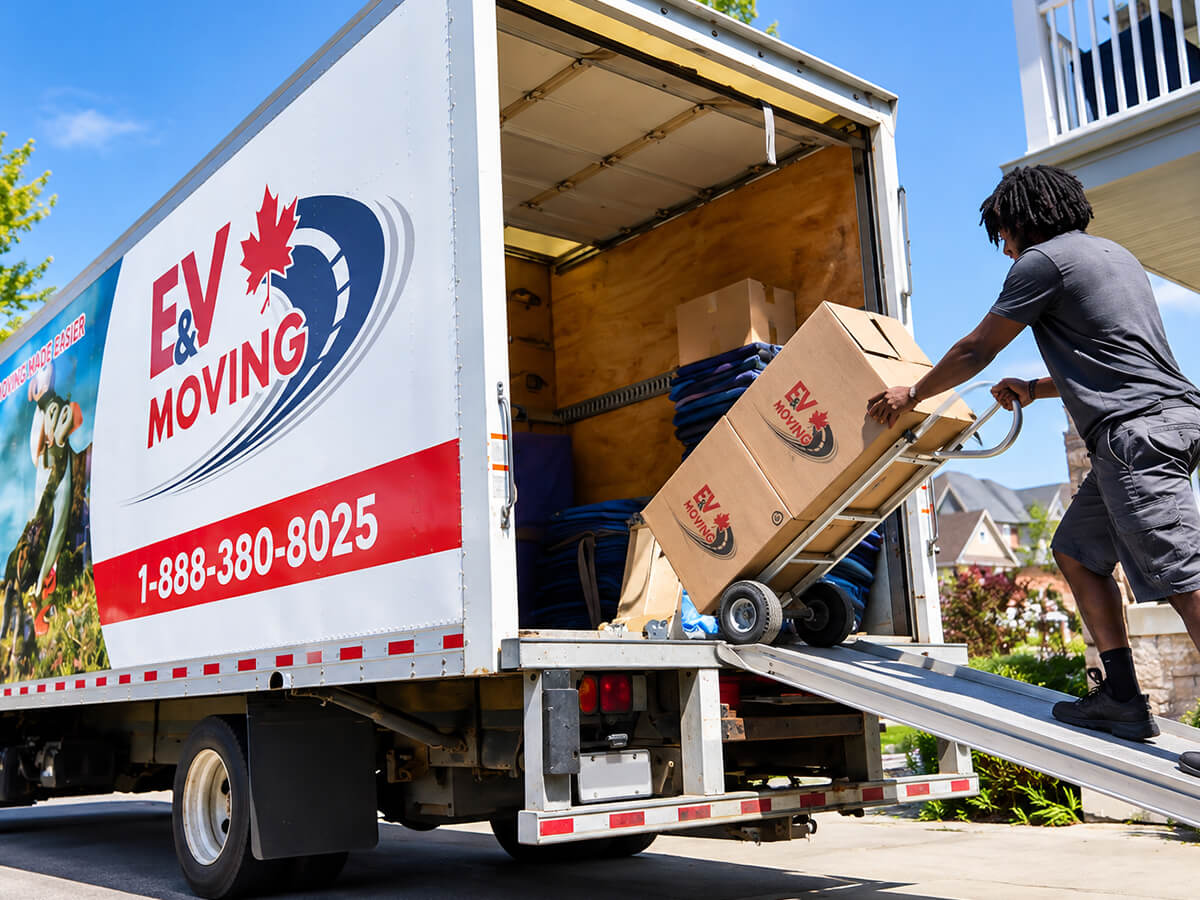
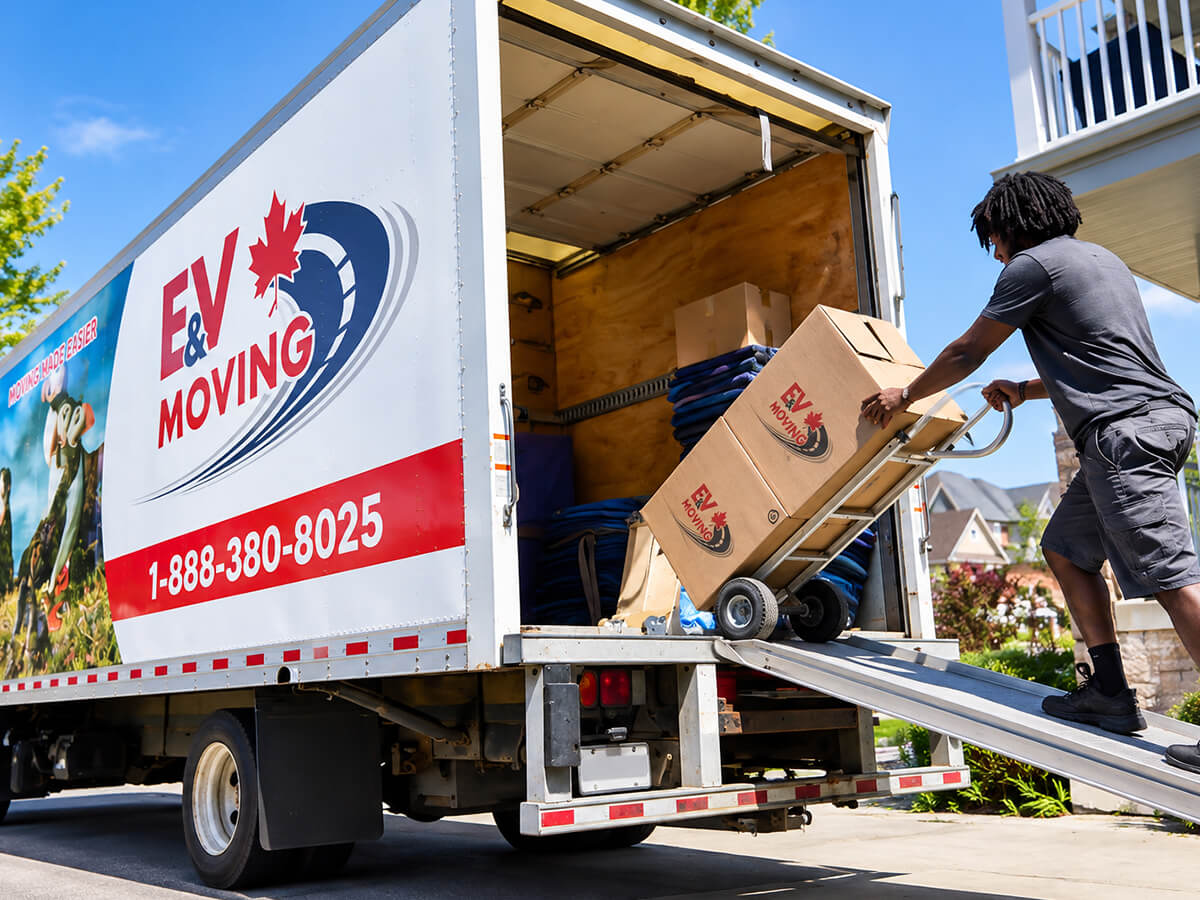
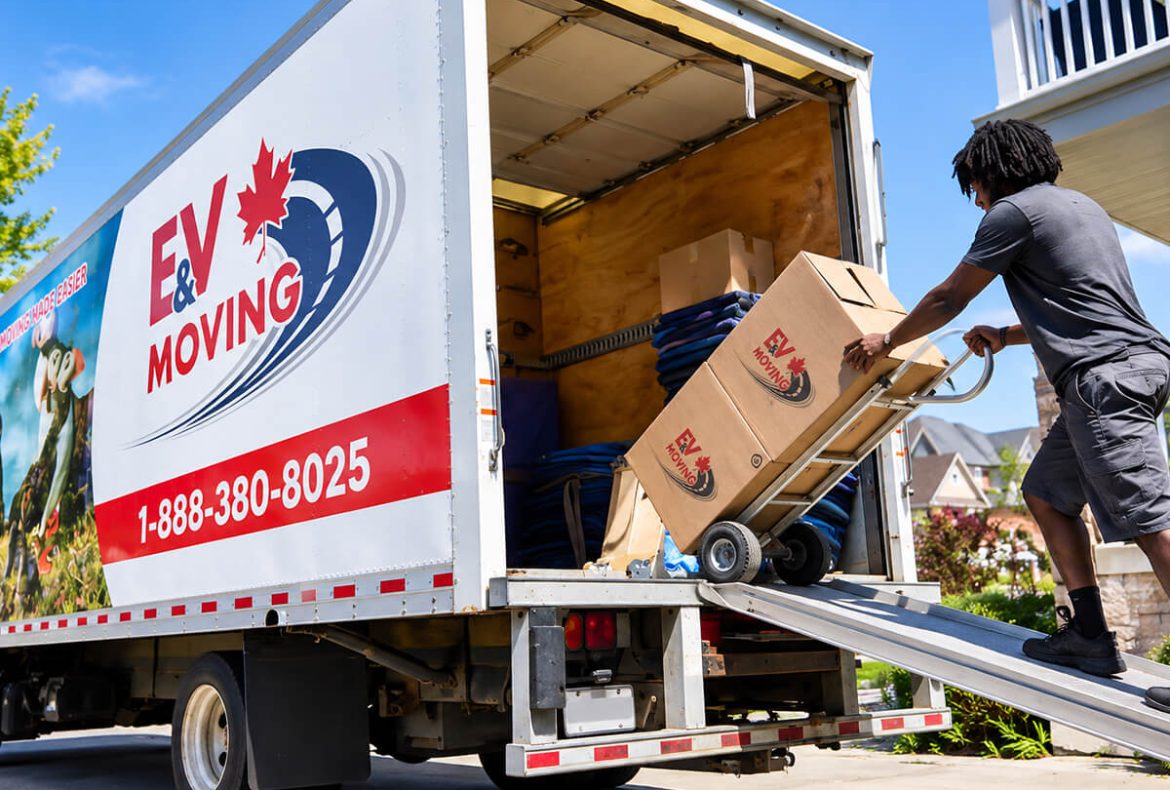
Sometimes, getting help from the pros makes a job so much easier; moving is no different. However, you will have to book your movers in advance to ensure you catch them when they’re available. Reliable moving companies fill their calendars quickly, especially at the end of the month and during the summer. Booking early gives you more choice of dates and time to ask questions about services. For example, for folks moving within the Durham Region, experienced Oshawa movers can lend a helping hand and make loading, transporting, and removing your boxes an easier prospect than doing the work all by yourself. As a rule, always confirm the date, start time, and included services in writing so there are no surprises.

3. Declutter Before You Pack
You can’t take it with you, as the proverb goes. Every item you bring with you takes up space in the truck and time to pack; some triage will be necessary to ensure you’re only bringing the essentials for an easier set-up once you’re at your destination. Knowing how to declutter (and how to declutter ethically for that matter) can serve you well when it comes to putting the non-essentials aside during the preparation phase. Go through each room and decide what to keep, donate, sell, or recycle. Clothing you have not worn in a year and duplicate kitchen tools are good places to start. A lighter load means fewer boxes and faster unpacking at your new home.
4. Label Every Box Clearly
Keeping your items safely is one part of the task; there’s also labelling the boxes so you know where everything goes later is another. Write the room name and a short list of contents on at least two sides of each box. Not only does this remind you exactly where everything should go, it also helps movers place boxes in the right room and saves you from searching later. Consider using a different colour of tape or marker for each room for ease of identification. Mark fragile items clearly so they are handled with extra care.
Don’t:
5. Overpack Your Boxes
It can be tempting to fill every box to the top to save space; however, it’s better, easier, and healthier to moderate your packing. Heavy boxes are hard to lift and more likely to break under their own weight or cause injury if dropped or carried incorrectly. Try to keep each box under about 20 kilograms, and put heavy items like books in small boxes. Use larger boxes for light items such as bedding, towels, and pillows.
6. Leave Packing to the Last Minute
Packing sometimes has a way of taking longer than expected; as such, it’s a job that deserves to be done properly and in a reasonable timeframe. Waiting until the final few days often leads to rushed work, damaged items, and missing belongings. Start with things you rarely use, such as seasonal décor, spare linens, and books; these are the easiest items to spare and can be kept first with minimal hassle. A little packing each day can divide the work along the weeks it takes to finish all your other prep, meaning the last week gets saved only for everyday essentials and avoids any other work that might cut into your other preparations.
7. Forget an Essentials Bag
Your first night in a new home can be tiring after all that packing and preparation. At this time, your boxes may not be unpacked right away given everything you need to do to get your new home organized. Pack a bag with essentials (like medications, phone chargers, toiletries, a change of clothes, snacks, and important documents) so those necessities are at hand for the first few days as you acclimatize. Keep this bag with you instead of on the moving truck to ensure the essentials are with you, and make your first day much easier to manage.
8.Don’t Skip Checking Your Mover’s Credentials
When it comes to finding a moving company to help you, it pays to find a reliable company. Not every moving company offers the same level of service or protection. Before you sign anything, ask about insurance coverage, licensing, and how they handle damaged items. Read online reviews and ask for a clear written quote; this information also lets you gauge how reliable the company is (based on their response to criticism and their transparency in billing you).. Choosing a trusted Oshawa moving company, for example, gives you confidence that your belongings are in good hands during this transitional phase.
A simple move comes down to good planning and smart choices. Starting early and sticking to a consistent schedule as you work go a long way toward ensuring your move stays smooth and stress-free as the weeks progress toward your move.

Ready for a Stress-Free Move?
Planning a move and want it done right? E&V Moving Solutions offers moving services across Canada, including long-distance and international moves. You can rest assured that our team handles your belongings with great care from start to finish in the name of minimizing any moving anxiety and keeping your move running smoothly. Call us today at our Ontario number (1-888-380-8025) or our Alberta (587-470-2308) and enjoy a more relaxed, hassle-free move.
Frequently Asked Questions
1. How Far in Advance Should I Start Planning My Move?
Start planning about six to eight weeks before moving day. This gives you enough time to book movers, sort belongings, and pack room by room without rushing through the final week.
2. What Should I Pack in My Essentials Bag?
Include medications, phone chargers, toiletries, a change of clothes, snacks, and important documents. As a rule, keep the bag with you during the move so these items are easy to reach on your first night.
3. How Heavy Should a Moving Box Be?
Try to keep each box under about 20 kilograms. Place heavy items like books in small boxes and use larger boxes for light items such as bedding and pillows.
4. What Should I Do With Items I No Longer Need?
Sort them into groups to donate, sell, or recycle before you start packing. Removing unused items early lightens your load and makes unpacking faster at your new home.
5. What Should I Ask a Moving Company Before Hiring Them?
Ask about insurance coverage, licensing, and how damaged items are handled. Request a clear written quote and read online reviews to understand the level of service you can expect.