

Are You Ready for Your Move? 7 Tips to Prep You for an Office Move
Moving is always a major undertaking, whether you’re talking about a home or office move. Moreover, it’s always an involved process, especially when you’re managing a long-distance move; having a guide to a long-distance move (or any other move) can be a boon at times like this. Juggling the job of packing up desks, computers, and files while simultaneously keeping business operations running smoothly can sometimes feel like an overwhelming task for any team. The key to a successful transition always depends on preparation. Specifically, the trick to a successful move is in knowing how to break the massive task into more manageable parts. This guide provides some advice to help businesses prepare for the upcoming transition without any undue stress.
Here are seven essential tips to ensure the upcoming office relocation goes smoothly.
1. Establish a Realistic Timeline
Planning any move (and especially an office one) should always start months before the day itself. Item one on the agenda here is making a detailed schedule. This schedule prevents any last-minute scrambling and keeps your downtime to a minimum. A good rule of thumb is to start planning at least three to six months in advance, depending on the size of your office and total number of employees. Outline specific deadlines for key tasks (such as finalizing the lease for the new space, hiring a commercial moving company, and packing non-essential items). Assign target dates to each phase of the process to give yourselves a clear window to accomplish each task. Having a visual timeline shared with the entire team also ensures everyone understands the upcoming milestones and remains accountable for their respective tasks.

2. Appoint a Manager to Oversee the Move
Appointing a dedicated move manager or a small internal committee is an effective way to keep the move centrally organized. Instead of having everyone try to coordinate different aspects of the transition simultaneously, funnel all planning through this designated point of contact. This individual or group can therefore focus on handling communication with moving companies, property managers, and staff members. The move manager(s) should oversee the master checklist, answer any employee questions, and ensure that every department completes their packing responsibilities on time. Trusting a specific member or team goes a long way to minimizing confusion, overlaps in duties, and missed deadlines.
3. Develop a Strategy for Decluttering Your Space
Finding ways to declutter your office and other spaces goes a long way to making the move easier, especially when you’re considering what to take with you. Moving provides an excellent opportunity to clear out old documents, broken equipment, and outdated furniture. After all, why pay to transport items you no longer need? Before the packing phase begins, encourage all staff to go through their desks, filing cabinets, and storage closets to find items that are no longer relevant. Now’s a good time to shred old paper records that have passed their required retention periods, and recycle or donate any furniture that can’t fit into the new space. Reducing the volume of items you’re moving is as much a benefit for transportation costs as it for enabling more efficient unpacking after the move.
4. Take Care with Your Equipment and Electronics
Equipment (electronics in particular) always requires careful handling to keep safe, especially in transit. These items are an investment to be protected, given how critical they are to daily operations; as such, knowing how to keep your electronics safe at work is always critical knowledge. Always use sturdy, high-quality packing materials to secure all hardware. Cables should be neatly bundled, labelled, and packed alongside their corresponding devices to prevent misplacement during the setup phase. If a server rack or specialized piece of machinery weighs too much to be carried by hand, ensure the hired movers have the correct equipment for safe transportation and storage, such as heavy-duty dollies and protective padding. Back up all essential data to a secure cloud platform before unplugging any central servers or hard drives to prevent data loss during transit.
5. Remember to Notify Vendors and Clients of the Move
Updating the company address is a detail that often gets overlooked amid the physical packing. Take the time to communicate to your business associates about the upcoming change of address. Remember to update your digital assets as well, including the company website, local business listings, and social media profiles. Notify suppliers, utility providers, internet service companies, and the postal service weeks in advance so there’s ample time to prepare. Send a formal notice to clients detailing the date of the move, the new address, and any expected disruptions to regular service or response times. Clear communication is a sign of professionalism, and ensures no important mail or deliveries mistakenly get sent to the old office.
6. Map Out Your New Floor Plan Early
Knowing exactly where every desk, filing cabinet, and printer will go before arriving at the new property goes a long way to saving time during the unpacking stage. Obtain a detailed blueprint of the new office space, noting the available space in each room. Pay close attention to the location of electrical outlets, internet jacks, and windows as well. It can also help to colour code your map and assign specific zones or rooms to different departments. Provide this map to the moving crew so they can place boxes and furniture directly into the correct areas. Taking this step allows employees to immediately start unpacking their specific workstations rather than searching through a pile of boxes in another room entirely.
7. Have a Plan for Moving Day Itself
The actual day of the move requires a clear itinerary. Decide whether the relocation will happen during standard business hours, over a weekend, or after hours. Weekend moves are a prudent idea because they minimize the disruption to daily business activities. For ease of coordination, limit the team supervising the professional movers to a small group; the rest of the staff should work remotely or take the day off to stay out of the way. Ensure the old office is completely clear of debris and left in good condition for the landlord, and then perform a final walkthrough of the empty space to check for forgotten items in closets or drawers.
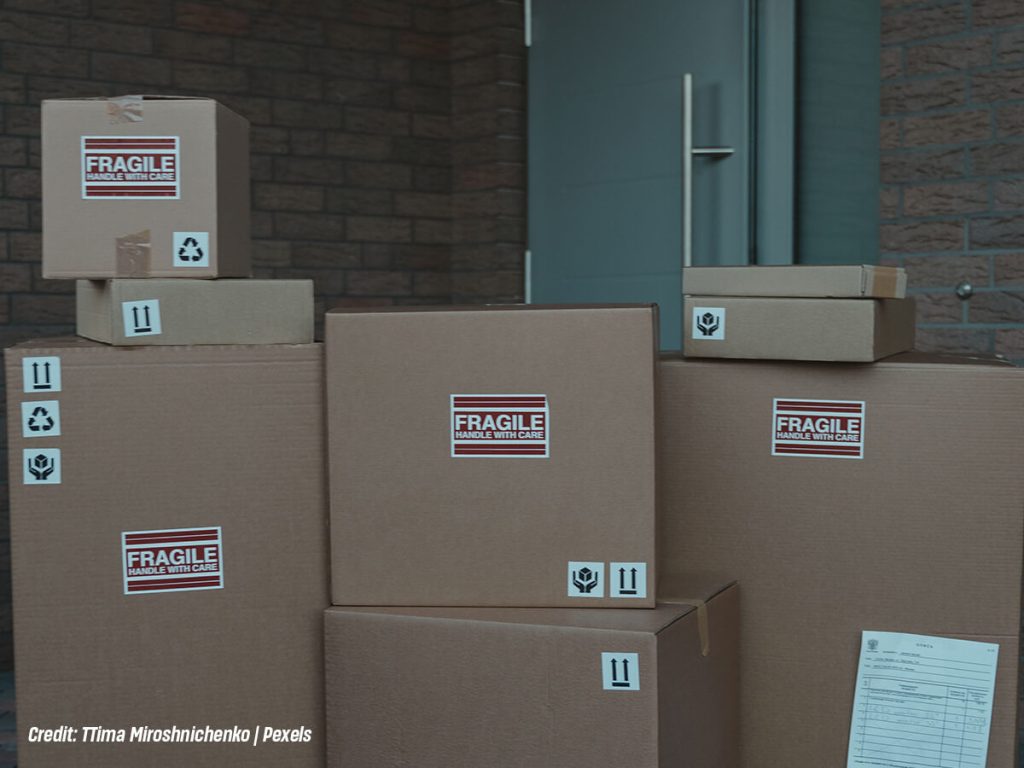
Relocating a business headquarters demands thorough preparation. By taking the time to prepare early and develop a detailed plan for your move, you can make the move an organized process that keeps downtime and stress to a minimum. With proper foresight and a structured plan, your business can transition smoothly into a new environment, ready to resume normal operations with maximum efficiency.
Ready for a seamless office relocation? Let E&V Moving Solutions handle the heavy lifting while you focus on your business during this transition. Our team guarantees an efficient, secure, and stress-free move tailored entirely to your business’ needs. Call us today at 587-470-230 to schedule your free moving consultation!