
Checked Everything on the List? Your Office Moving Checklist to Prep for the Move
Moving is always a major operation, and more so when you’re talking about moving your business. Moving yourself to a new facility is an undertaking that requires rigorous planning, immense attention to detail, and a structured approach. Unlike typical residential moves, commercial relocations involve moving your equipment and data, and on top of all that there’s the need to maintain business continuity to consider. A single oversight can have serious repercussions for the business, such as disruptions to your operations, employee frustration, and unexpected financial shocks.
To navigate this complex transition successfully, you need a meticulous plan that leaves absolutely nothing to chance. Preparation is the key to any seamless transition, regardless of the exact nature of your move; as such, it helps to have a checklist to guide you through the process. While an office move is a perfectly good reason to contact a certified mover to assist with the move, there are other steps to take to ensure a smooth transition. By following the steps outlined here, you can make the task of preparing yourselves for the move into a more organized process with minimal stress to add to the transition.
1. Assemble a Team to Manage the Move
Like any project, knowing how to delegate authority effectively is key to success. Form a dedicated committee composed of reliable representatives from various departments (some of the most relevant ones include human resources, information technology, facility management, and general operations). Assign a primary project manager to oversee the team and serve as the central point of contact for the movers, the landlord, and the employees. The purpose of this team is to oversee the entire programme, hold regular progress meetings, and ensure that departmental needs are addressed. By distributing the workload amongst a whole team, you can divide the work amongst different departments and prevent the entire burden of the move from falling on a single individual.
2. Establish a Complete and Comprehensive Relocation Budget
Like other endeavours, carrying out an office move very often incurs unexpected expenses beyond the initial quote from the moving company. When devising a budget for the move, it’s prudent to develop one that accounts for both the obvious and the not-so-obvious costs. Factor in the expenses for packing supplies, specialized insurance for high-value equipment, end-of-lease cleaning services, and potential overlap in rent if you hold both leases simultaneously. Furthermore, make space in the budget for new office furniture, potential technological upgrades, and the cost of printing updated marketing materials. Adding a contingency fund above and beyond your expected expenses goes a long way toward protecting your organization from any unforeseen logistical hurdles.
3. Review Your Existing and Future Lease Obligations
Before packing a single box, carefully review the terms of your current lease agreement. Pay close attention to the dilapidation clauses; these dictate the exact condition in which you must leave the premises. You may be required to remove custom partition walls, patch painted surfaces, or replace worn carpeting to secure your deposit. Simultaneously, familiarize yourself with the regulations of your new building. Review the rules regarding operating hours, security protocols, and allowable modifications to the space to ensure you remain compliant with the property management guidelines.
4. Map Your New Office Space Precisely
Accurate spatial planning is one of those factors that’s a must-have for a corporate move. Obtain the architectural floor plans for the new office and verify the exact usable dimensions. Measure the doorways, hallways, and elevators in metres to verify that your current furniture will physically fit into the new space. Once you have an idea of how much space you have, you can then make a detailed map allocating specific zones, including where to set up workstations, collaborative areas, break rooms, and server storage. Use this map to determine exactly where each piece of furniture and equipment will be placed, and keep confusion on moving day to a minimum.
5. Contact a Reputable Commercial Moving Company
An office move is a complex task, one that’s too important to leave with a standard residential mover. Begin interviewing specialized commercial moving companies several months in advance. In particular, you’re looking for organizations that possess extensive experience handling sensitive electronics, modular furniture systems, and confidential files. Ensure they also offer comprehensive liability insurance and can provide adequate resources to aid the move (such as specialized crates and heavy-duty dollies). Verify their availability for your target moving date, especially if you plan to move over a weekend to minimize operational downtime. A professional crew is an invaluable investment in the safety of your assets.

6. Assess Your Inventory Rigourously
You can’t move efficiently if you don’t know exactly what you own first. Task your team with cataloguing every item in the office and creating a comprehensive spreadsheet detailing your furniture (specifically desks, chairs, filing cabinets, computer monitors, and breakroom appliances). Document the condition of each item and note the weight of heavy machinery or large communal tables to give your moving crew accurate information concerning how much weight they might have to carry. This inventory serves a dual purpose: it helps the movers generate an accurate quote and acts as a master checklist to ensure nothing is lost.
7. Take Extra Care with Your IT Moving
Your technological infrastructure is the lifeblood of your business, and the IT migration in particular must be planned with care to prevent any costly offline periods. Coordinate with your internet service providers early to ensure that fibre-optic cables and internet connections are fully operational at the new location before your arrival. Map out the new server room, ensuring adequate cooling and power supplies. Finally, assign your IT department to safely back up all critical data to the cloud or off-site servers before disconnecting any hardware, ensuring secure transport of your technological assets.
8. Do a Deep Declutter as You Go
An office move is a golden opportunity to purge years of accumulated clutter; decluttering the office is a great way to improve productivity and lower stress, so the lessons you learn from decluttering before the move are easily applicable afterward. Encourage your employees to thoroughly clean their desks and discard outdated documents, broken stationary, and obsolete technology. You’ll also need to implement a secure shredding programme for sensitive physical files that are no longer legally required. Take care to (responsibly) recycle old electronics that are gathering dust in storage closets. By reducing the volume of unnecessary items, you decrease the total weight you need to transport, thereby saving money, and ensure your new workspace is organized from the start.
9. Change Your Address on All Relevant Platforms
Updating your corporate address can be a surprisingly tedious process, one that’s better initiated well in advance. Compile a comprehensive list of all entities that require your new location details. This includes government tax agencies, financial institutions, insurance providers, and utility companies. Remember to update your digital presence as well, including your company website, email signatures, and online business directories. Order new business cards, letterheads, and promotional materials featuring the updated address. Promptly notifying your clients and vendors ensures that important correspondence doesn’t get routed to an empty building.
10. Maintain Transparent Employee Communication
An impending move can cause anxiety among your workforce, especially if the new location means alterations to their daily commute. Develop a transparent communication strategy to keep everyone informed about the timeline and expectations. To that end, distribute regular email updates detailing the progress of the relocation. Provide your team with essential information about the new neighbourhood, including parking availability, public transit options, and nearby amenities like cafes. Clearly outline exactly what each employee is responsible for packing and set firm deadlines to ensure readiness.
11. Implement a Standardized, Colour-Coded Labelling System
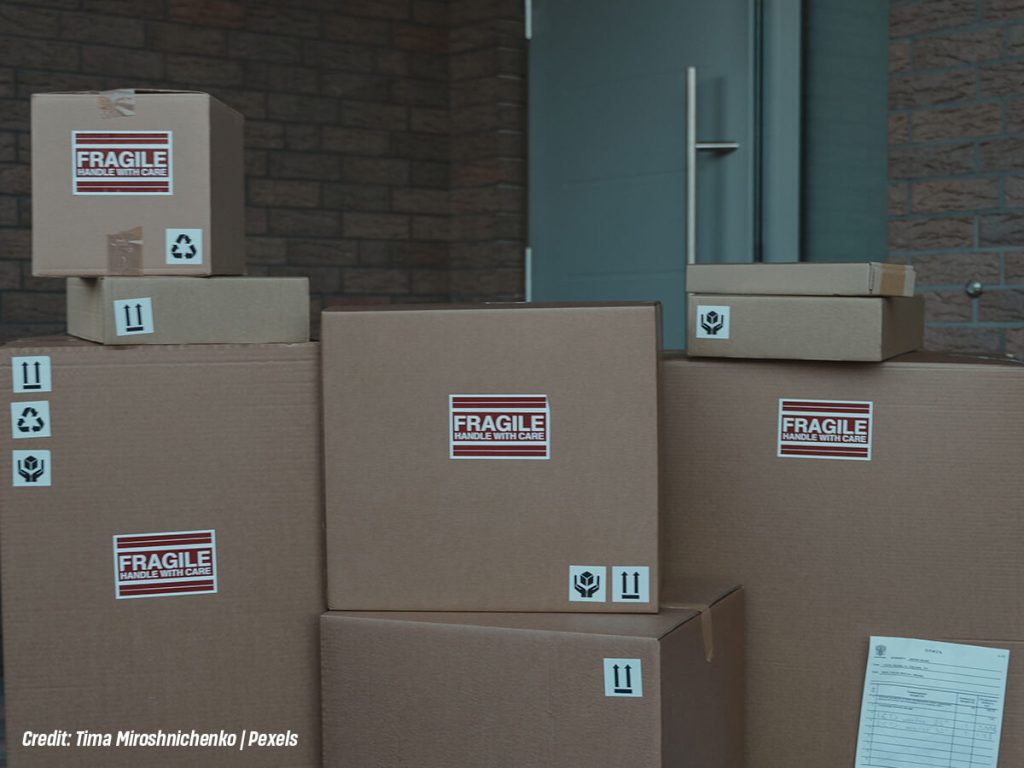
Much of the chaos found on a moving day can stem from poorly labelled boxes. To streamline the unpacking process, implement a standardized, colour-coded labelling system for ease of organization. Assign a specific colour to each department or zone in the new office. For example, all boxes destined for the marketing department might receive a blue label, while the finance department receives a green label. Each label should clearly display the employee’s name, their new desk number, and the contents of the box. Remember to share this plan with your movers for ease of unpacking once you reach your destination.
12. Finalize Building Logistics and Loading Dock Access
Moving heavy office equipment requires seamless access to both your old and new buildings. Contact the property managers at both locations to reserve the loading docks and service elevators for the duration of the move. Inquire about any specific building restrictions, such as designated moving hours or protective materials required for the floors and elevator walls. Confirm parking arrangements for the large moving trucks to prevent traffic violations or disruptions to neighbouring businesses. Ensuring early finalization of these details helps prevent any delays that might impact unpacking.
13. Conduct a Final Pre-Move Site Inspection
In the days immediately preceding the move, take a walk the new office space and give it a thorough inspection. Verify that all renovations are complete, the paint is dry, and the carpets are clean. Test the electrical outlets, the heating and cooling systems, and the plumbing facilities and verify that all the systems are functional. Confirm that the internet connection is live and that the security systems, including cameras and access card readers, are fully operational. Resolving minor maintenance issues before the furniture arrives is crucial for a smooth, interruption-free start.
Settling into a new office environment can mark an exciting chapter in your company’s growth. While the logistics of that relocation can be daunting, approaching the task with a methodical mindset goes a long way to minimizing stress and downtime. By taking these steps and taking them early, you lay the groundwork for a triumphant transition. And the beauty of a well-executed move isn’t just in a refreshed physical workspace but also in rejuvenated company morale, setting a positive tone for the future of your business in its new home.
Ready to transition to your new corporate space? Trust our team at E&V Moving Solutions to provide a smooth relocation. However far you’re moving, we’re here to lend a hand with protecting your assets and get you ready for business when we get to your destination. Call us today at 587-470-230 and schedule your move!