Downsize and Upgrade: How Businesses are Pivoting to Amenity-Rich Office Spaces
Modern firms are leaving behind massive, vacant corporate headquarters. They now favour smaller, high-end offices featuring gyms, roof decks, and advanced tech. This shift focuses on the quality of office experience rather than just the number of desks. Employees prefer vibrant hubs that offer more than just a place to sit, pushing bosses to trade square footage for better perks.
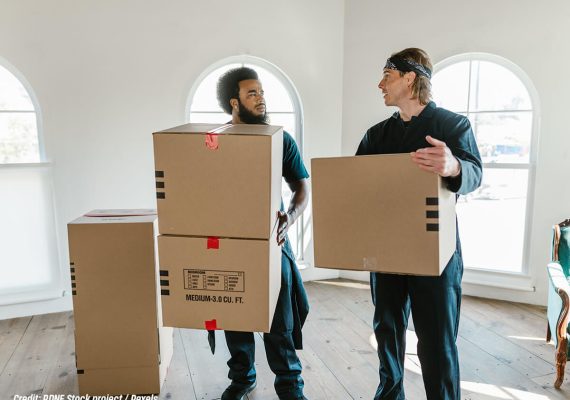
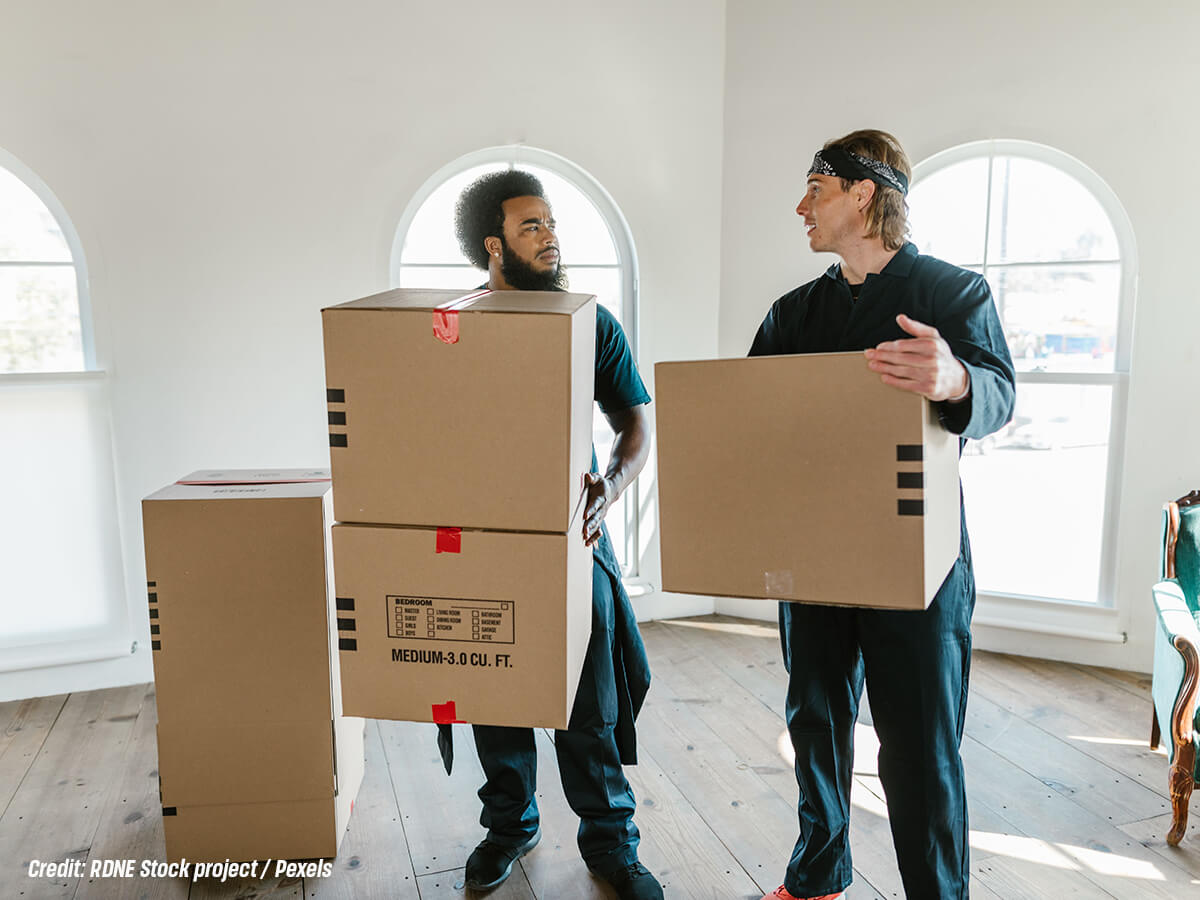
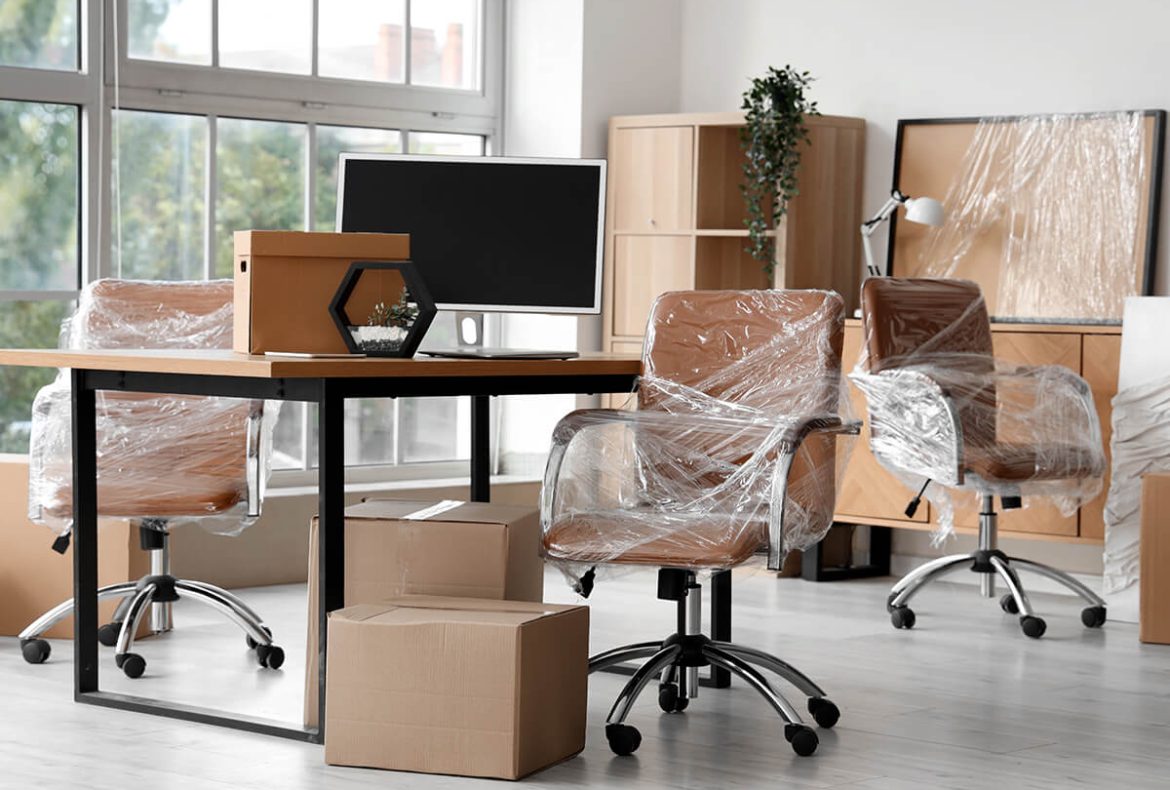
Relocating to a luxury building with less room involves tight logistics. You cannot simply throw everything into boxes and expect a smooth transition. Success depends on professional commercial relocation services and smart storage plans. These experts ensure the high-stakes move happens without a hitch, allowing staff to stay productive while the business evolves into a leaner, more efficient model.
Why Less is More: The Benefits of a Smaller, Premium Office
Companies are finding that a boutique office environment drives better results than sprawling cubicle farms. Smaller footprints in high-demand areas allow for higher spending on interior finishes and technology. This strategy focuses on creating a destination where people actually want to spend their time.
- Attracting Top Talent: High-end amenities serve as a magnet for skilled workers who want a better work-life balance. Providing on-site wellness centres or gourmet coffee bars makes the physical workplace a competitive advantage. It turns the office into a perk rather than a chore for the modern hybrid workforce.
- Reduced Overhead Costs: Leasing less space naturally lowers monthly rent and utility bills. These savings can be redirected into high-end office upgrades or better employee benefits. Canadian firms often find that a smaller, premium location is more cost-effective than maintaining large, underutilized floors in suburban parks.
- Enhanced Team Collaboration: Compact layouts encourage staff to interact more frequently and naturally. Removing physical barriers and providing diverse breakout zones fosters a sense of community. This agile workspace design ensures that every square metre facilitates communication, leading to faster problem-solving and much stronger internal team bonds.
- Sustainability and ESG Goals: Smaller offices require less energy for heating, cooling, and lighting. Many premium buildings in cities like Toronto or Calgary hold LEED certifications. Moving into these spaces helps businesses meet their environmental targets. This sustainable corporate relocation reduces the carbon footprint of daily operations significantly.
- Boosting Brand Image: A prestigious address in a well-appointed building signals success to clients and partners. First impressions matter during face-to-face meetings. An office with modern aesthetics and top-tier technology reflects a forward-thinking brand. This premium office transition ensures the physical space aligns with the company’s high-quality professional standards.
- Improved Employee Wellbeing: Natural light, ergonomic furniture, and quiet zones contribute to better mental health. Premium spaces often prioritize air quality and biophilic design. When staff feel comfortable and valued, their productivity rises. Investing in wellness-focused office spaces shows a genuine commitment to the people who power the business.
- Technological Superiority: Newer, smaller buildings often come equipped with better internet infrastructure and smart building systems. These features reduce IT headaches and support seamless video conferencing. Having integrated office technology built into the shell of the building saves the company from expensive retrofitting costs during the initial move-in phase.
The Downsizing Dilemma: What to Do with Excess Assets?

Shrinking your floor plan means you will inevitably have too many desks, chairs, and filing cabinets. Managing these items requires a clear plan to avoid clutter in the new, sleek location. Deciding what to keep, sell, or store is a critical part of the process.
- Inventory Auditing: Before moving, businesses must count every piece of furniture and equipment they own. This office asset management process identifies what fits the new aesthetic and what is redundant. Knowing exactly what you have prevents the mistake of moving junk into a high-end, expensive new workspace.
- Sustainable Furniture Disposal: Selling or donating old furniture is better for the planet than sending it to a landfill. Many Canadian charities and start-ups appreciate used office gear. This eco-friendly office decommissioning ensures that your old assets find a second life while helping you meet corporate social responsibility goals.
- Secure Document Shredding: Moving is the perfect time to purge old paper files that take up space. Professional shredding services protect sensitive data while clearing out bulky cabinets. Adopting a paperless office strategy during the move makes the new, smaller space feel much more open and modern.
- Asset Liquidation: If the furniture is still in good condition, a liquidator can buy the entire lot. This provides a quick cash injection to help cover moving costs. Corporate asset liquidation is an efficient way to clear out a large building quickly without managing individual buyers or sales.
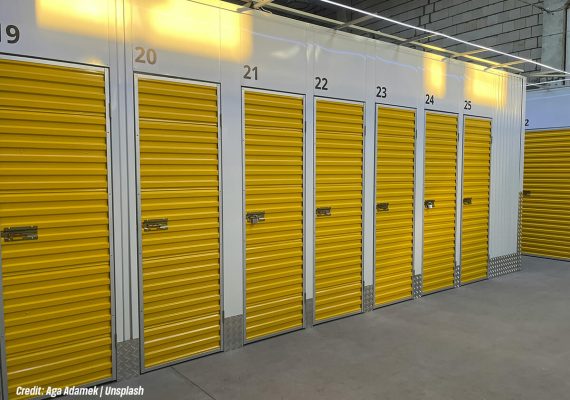
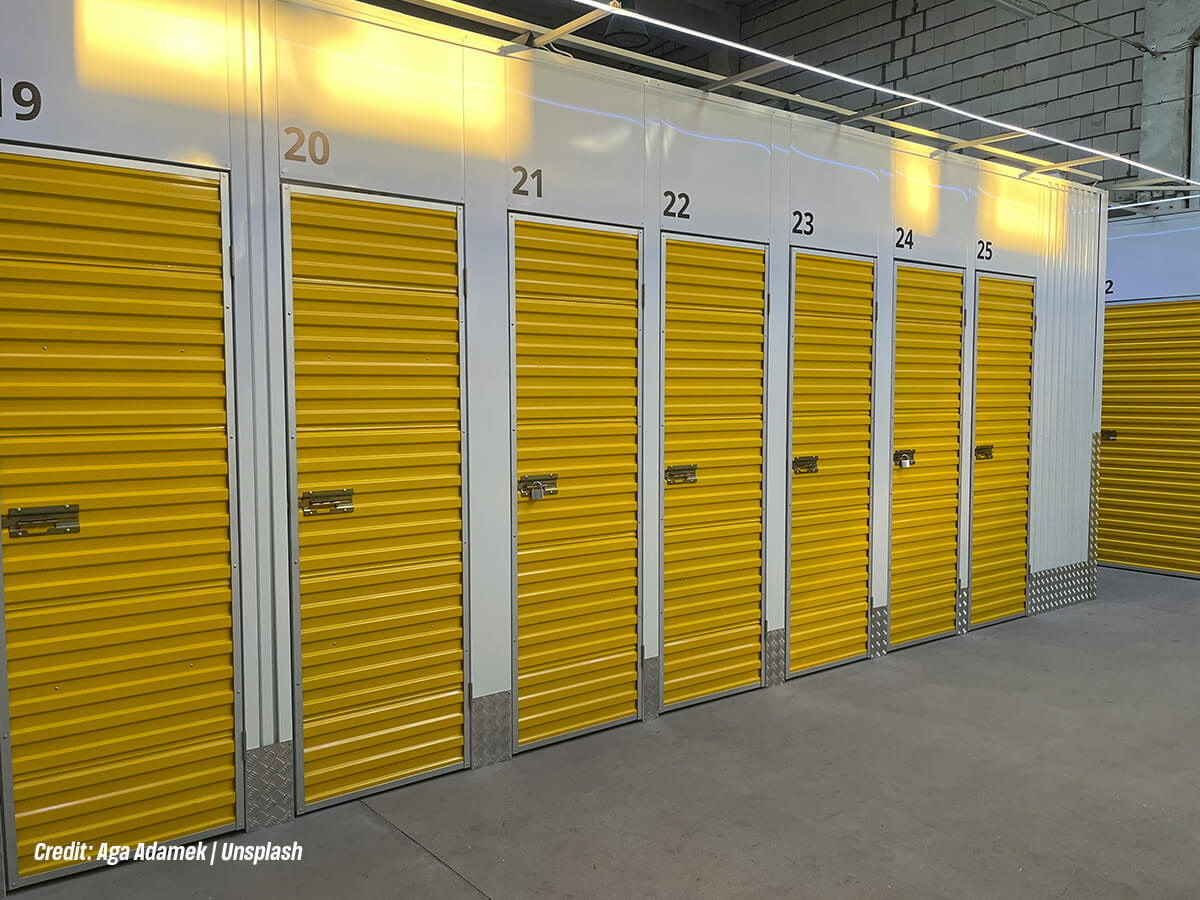
- Off-Site Climate Storage: Some items are not needed daily but are too valuable to lose. Storing these in a secure, climate-controlled facility keeps them safe. Using short-term commercial storage allows you to keep the new office tidy while retaining access to archives, seasonal decor, or extra seating.
- Electronics Recycling: Old computers and printers require specialized disposal to protect the environment and data. Certified e-waste recyclers ensure these items are handled properly. This IT asset disposition is a vital step in clearing out old headquarters while remaining compliant with Canadian environmental and privacy laws.
- Employee Purchase Programs: Offering surplus equipment to staff for their home offices is a popular move. It provides value to the team and solves the problem of excess inventory. This staff home-office support builds goodwill and ensures that functional items continue to be used by the people.
Planning the Move Without the Downtime
A move should not stop your business from making money. Precise scheduling and expert help are the only ways to shift locations without losing hours of work. Planning for every detail ensures that the lights are on and the internet works the moment staff arrive.
- Phased Relocation Strategy: Moving in stages prevents the entire company from being offline at once. Critical departments stay active while others transition to the new site. This staggered office move keeps the business running smoothly and reduces the pressure on the moving crew and IT staff.
- After-Hours Moving: Scheduling the heavy lifting for evenings or weekends avoids interrupting the standard workday. Staff leave the old office on Friday and arrive at the new one on Monday. This minimal disruption relocation is the gold standard for professional firms that cannot afford any operational gaps.
- Pre-Wiring the New Site: Ensure all data cables and power points are ready before the furniture arrives. IT teams should test every connection in advance. Having a technically ready workspace means employees can simply plug in their laptops and start working immediately after they enter the new office.
- Detailed Floor Mapping: Every box and desk should have a specific spot in the new floor plan. Using a numbering system helps movers place items exactly where they belong. This strategic space planning eliminates confusion on move-in day and prevents the need for heavy furniture shuffling later.
- Clear Employee Communication: Keeping the team informed about move dates and their responsibilities reduces anxiety. Provide checklists for packing personal items. Constant internal move updates ensure everyone knows the plan, which helps the entire organization feel prepared and positive about the upcoming transition to the new space.
- Dedicated Move Coordinator: Appointing one person or a small team to lead the project centralizes decision-making. They act as the main point of contact for the movers. Having a central relocation manager prevents conflicting instructions and ensures that the project stays on schedule and within the budget.
- Specialized Equipment Handling: Servers, lab gear, or high-end printers need more than just a box. Professional movers use specific crates and padding for delicate items. Using specialist commercial movers protects your most expensive assets from damage, ensuring everything functions perfectly once it is reinstalled at the destination.
Maximizing Your New Premium Space with Smart Storage
A smaller office stays “premium” only if it remains uncluttered. Smart storage solutions allow you to enjoy the high-end feel without the mess of daily supplies. It is about using vertical space and external facilities to keep the floor plan open and inviting.
- Vertical Storage Systems: Using wall-mounted shelves and tall cabinets saves floor space. It keeps essential items within reach without crowding the room. Vertical office organization is essential in smaller suites where every square centimetre of the floor must be used for people, not just storage.
- On-Demand Inventory Access: Use a storage partner that offers quick delivery of your stored items. If you need extra chairs for a big event, they should arrive within hours. Flexible business storage acts like an extension of your office, giving you the perks of a large space without the rent.
- Multi-Functional Furniture: Desks with built-in drawers and benches that double as storage boxes are great for tight spaces. Every piece of furniture should serve at least two purposes. Space-saving office furniture helps maintain a clean aesthetic while ensuring that staff have places to put their personal belongings.
- Digital Archive Solutions: Stop keeping physical files that you rarely look at. Scan everything and move the digital versions to the cloud. Digital document management frees up massive amounts of room that would otherwise be taken up by ugly metal filing cabinets in your new luxury suite.
- Seasonal Item Rotation: Holiday decorations and summer event gear should not take up space in a high-rent office. Store these items off-site until they are needed. Seasonal commercial storage ensures your office stays professional and tidy throughout the year, regardless of the current promotional or holiday season.
- Mobile Pedestals: Giving staff small, rolling storage units allows them to move their gear between desks. This supports a “hot-desking” model where no one has a permanent spot. Agile storage solutions are the backbone of a modern, flexible office where the focus is on movement and collaboration.
- External Mail and Parcel Hubs: Have large deliveries sent to a different location if your new lobby is small. This prevents the reception area from becoming a dumping ground for boxes. Off-site parcel management keeps the entrance of your premium office looking sharp and welcoming for all visitors and clients.
The move toward smaller, high-quality workspaces is more than a cost-cutting measure. It is a strategic pivot to improve culture and performance. According to Avison Young’s 2024 Canadian Office Market Report, “flight to quality” remains the dominant trend in urban centres like Vancouver and Montreal. Businesses are happy to pay more per square foot for buildings that offer better air, light, and tech. The transition requires careful handling of assets and a perfectly timed move. When you focus on the quality of the environment, you invest in the future of your workforce.
To make this transition successful, you need a partner who understands the intricate logistics of a premium corporate move. E&V Moving Solutions offers the expert commercial relocation services required to downsize your space while upgrading your standards, handling the heavy lifting, storage, and strategic planning so you can focus completely on your business. Whether you are establishing a new boutique presence in Ontario by calling 1-888-380-8025 or setting up an agile hub in Alberta at (587) 470-2308, contact E&V Moving Solutions today to orchestrate your seamless corporate relocation.