
Why Are People Fleeing Toronto (And Where in Canada Are They Moving To)?
For decades, Toronto has been the undisputed crown jewel of the Canadian economy. As the country’s financial engine, a global cultural hub, and a beacon for newcomers, it has historically acted as a magnet for ambition. From the towering skyscrapers of the Financial District to the vibrant, diverse neighbourhoods that make up its cultural mosaic, Toronto offered a promise: work hard, and you can build a thriving, successful life here.
However, over the last few years, a massive demographic shift has begun to rewrite the story of Canada’s largest city. The once-steady stream of people flocking to the Greater Toronto Area (GTA) has been met with a surging counter-current of residents packing up their lives and moving away. Record numbers of Torontonians—ranging from young professionals and growing families to retirees—are looking beyond the city limits and, increasingly, beyond the provincial borders of Ontario.
But what is driving this unprecedented urban exodus? What breaks the tie between a city and its citizens, and more importantly, where in Canada are these people going to rebuild their lives?
The Breaking Point: Why Are People Leaving Toronto?
The decision to uproot your life and move away from a world-class city is rarely simple. It is usually the result of a compounding series of pressures. For Toronto, the reasons for the exodus are a cocktail of economic reality, shifting work cultures, and an evolving definition of what constitutes a “good quality of life.”
The Unforgiving Cost of Living and Housing Crisis
The primary catalyst for the Toronto exodus is, undoubtedly, affordability. The dream of homeownership in Toronto has slowly slipped out of reach for the average earner. With the average cost of a detached home frequently hovering well over the $1.3 million mark, and even entry-level condominiums demanding premium prices and exorbitant monthly maintenance fees, the math simply no longer works for many residents.
Renters are faring no better. The rental market has become fiercely competitive, with a standard one-bedroom apartment often costing more than $2,500 per month. When you combine housing costs with the rising price of groceries, transit, and general daily expenses, many Torontonians find themselves caught in a cycle of working tirelessly just to stay afloat. The financial strain is not just a spreadsheet problem; it is deeply human. Recent media coverage has highlighted the emotional toll of housing costs and why some families are leaving Toronto for other parts of Ontario, illustrating the heartbreaking choices parents are making just to secure a backyard for their children or a mortgage they can actually afford.
The Remote Work Revolution
Prior to 2020, the high cost of living in Toronto was widely accepted as the “commuter tax” or the “city tax”—the premium you paid to be close to corporate headquarters, networking events, and the best career opportunities in the country. The pandemic irrevocably fractured that requirement.
As remote and hybrid work models became permanently embedded in corporate culture, the geographic tether linking workers to downtown office towers was severed. Suddenly, a tech worker, a marketing executive, or a financial analyst could earn a Toronto-tier salary while living in a completely different city, or even a different province. Without the necessity of a daily commute on the congested Don Valley Parkway or a crowded TTC subway car, paying a massive premium for a small downtown condo lost its appeal.
The Search for Space and a Slower Pace
Beyond the financial aspects, there is a growing psychological and lifestyle shift. The hustle and bustle of Toronto, while exciting in your twenties, can become exhausting for those looking to start a family or seek a quieter life. The desire for physical space—a spare bedroom for a home office, a backyard for a dog, or a nearby hiking trail that isn’t overcrowded—has driven many to rethink their environment. People are trading the concrete jungle for actual greenery, prioritizing community feel, lower crime rates, and proximity to nature over nightlife and urban convenience.

The Great Migration: Where Are Torontonians Moving To?
When Torontonians decide they have had enough of the high costs and gridlock, where exactly do they go? The answer is geographically diverse, but the underlying motivations remain consistent: they follow the trail of affordable real estate, strong local economies, and an improved quality of life.
1. Alberta: The Call of the West (Calgary and Edmonton)
Alberta has emerged as the undisputed primary beneficiary of Toronto’s out-migration. The provincial government even launched highly targeted “Alberta is Calling” advertising campaigns directly in Toronto subway stations, practically begging skilled workers to head west. And it worked.
Calgary, in particular, has become a top destination. It offers a unique blend of urban sophistication, a booming tech and energy sector, and a cost of living that makes Torontonians double-take. A beautiful detached family home in a great Calgary neighbourhood can often be purchased for the price of a modest one-bedroom condo in downtown Toronto. Furthermore, Alberta boasts no provincial sales tax (PST), allowing residents to keep more of their hard-earned income. The proximity to the majestic Rocky Mountains, offering world-class skiing, hiking, and outdoor recreation in Banff and Canmore, provides a lifestyle upgrade that flat, urban Toronto simply cannot compete with.
Edmonton is also seeing a massive influx. While slightly colder and less flashy than Calgary, Edmonton’s housing market is even more affordable. It boasts a thriving arts scene, the stunning North Saskatchewan River Valley park system, and incredibly accessible homeownership opportunities for young professionals and blue-collar workers alike.
2. Atlantic Canada: The East Coast Dream (Halifax and Beyond)
During the height of the pandemic, a massive wave of Ontarians moved eastward, seeking the ultimate change of pace. The Maritimes offer a distinct cultural pivot from Toronto—one focused on community, ocean-side living, and a noticeably slower, more relaxed pace of life.
Halifax, Nova Scotia, has experienced a genuine population boom. It provides the amenities of a vibrant, growing city—excellent universities, a burgeoning tech hub, and incredible culinary scenes—but maintains its coastal charm. While housing prices in Halifax have risen due to the influx of new residents, they still sit well below Toronto’s astronomical averages.
Other parts of Atlantic Canada, such as New Brunswick (Moncton and Fredericton) and Newfoundland and Labrador, have also attracted Torontonians willing to trade proximity to the CN Tower for ocean views and tight-knit communities. For those seeking absolute tranquility, the ability to buy a sprawling property near the ocean for under $500,000 has been an irresistible draw.
3. Secondary Ontario Cities: Close, But Not Too Close
Not everyone wants to leave the province entirely. Many people have aging parents, extended families, or hybrid work setups that require them to be in the office once or twice a month. For these individuals, the solution is moving down the highway.
Cities in Southwestern Ontario like London, Windsor, and Kitchener-Waterloo have seen massive population spikes. Kitchener-Waterloo, in particular, offers a strong tech ecosystem of its own, meaning professionals don’t feel like they are sacrificing their career trajectories. London and Windsor offer much more palatable real estate markets while keeping residents within a two-to-three-hour drive of the GTA.
Eastern Ontario has also seen a surge. Ottawa, the nation’s capital, offers high-paying government and tech jobs, incredible cycling infrastructure, and a family-friendly environment with housing that, while expensive, remains cheaper than Toronto. Kingston, situated on Lake Ontario, offers historical charm, a vibrant downtown, and a slower pace of life, making it a favorite for retirees and remote workers alike.
4. The Distant Suburbs and Rural Escapes
For those who still need regular access to Toronto but refuse to pay city prices, the boundaries of the “commuter town” have been stretched to their absolute limits. Towns that were once considered distinct, distant municipalities—such as Barrie, Guelph, Brantford, and Peterborough—are now heavily populated by former Torontonians.
These residents are willing to endure longer, less frequent commutes (often facilitated by expanded GO Transit lines) in exchange for detached homes, driveways, and backyards. It is a calculated compromise: trading daily convenience for long-term financial stability and domestic space.

Planning Your Escape: Making the Move Seamless
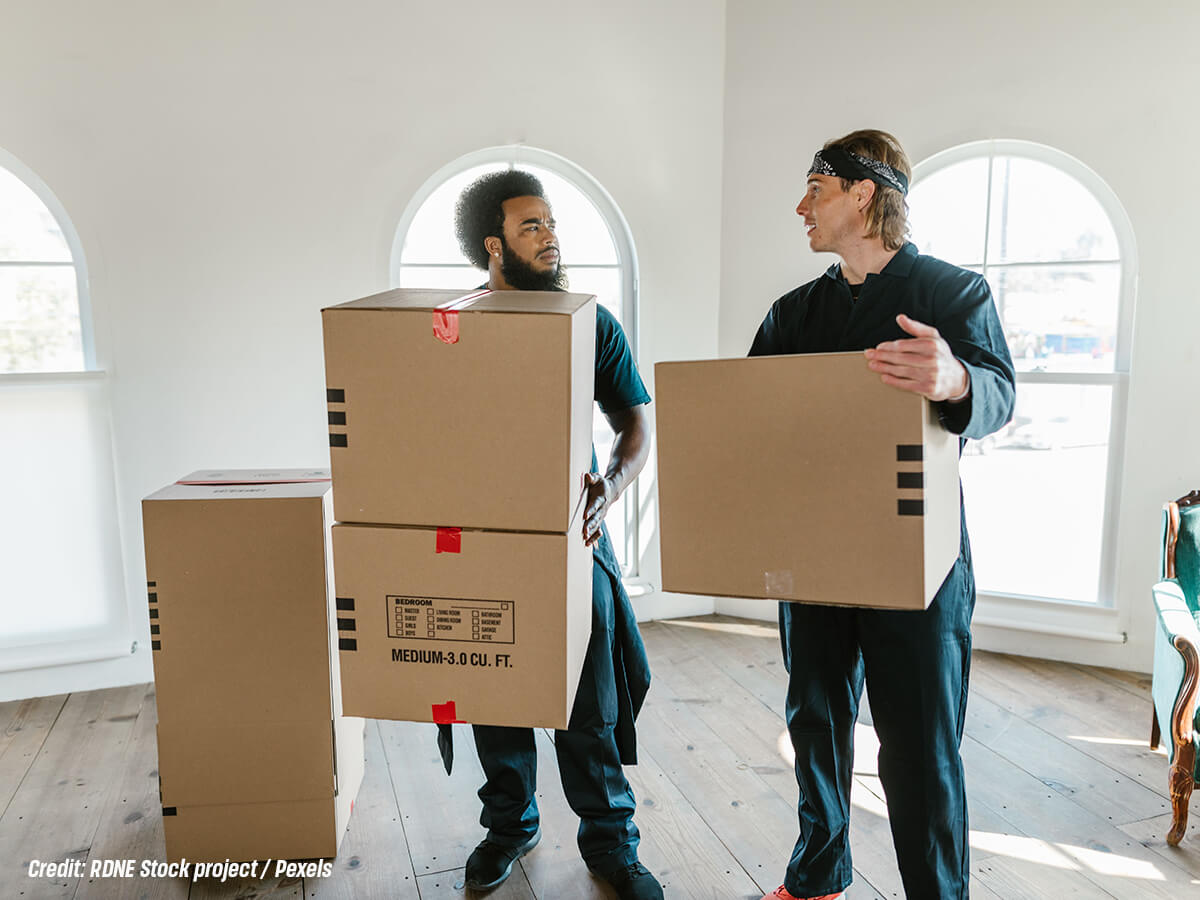
Deciding to leave Toronto is only the first step of the journey; the logistics of actually executing a relocation can be incredibly daunting. Whether you are moving two hours down the 401 or packing up your entire life to start fresh in the foothills of Alberta, the physical act of moving requires precision, planning, and professional help.
Moving out of a busy city presents unique challenges. Navigating moving trucks through tight downtown Toronto alleys, securing elevator times in high-rise condos, and ensuring your fragile belongings survive a long-haul journey across the country are not tasks you want to leave to chance—or to a group of friends with a rented van.
To ensure your transition to a new life is as stress-free as possible, partnering with experienced professionals is non-negotiable. If you are relocating from Toronto, Whitby, Pickering, or Oshawa, our moving company has the regional expertise and logistical capabilities to manage every aspect of your departure. We understand the specific nuances of GTA real estate, from strict condo board moving regulations to tricky residential street parking.
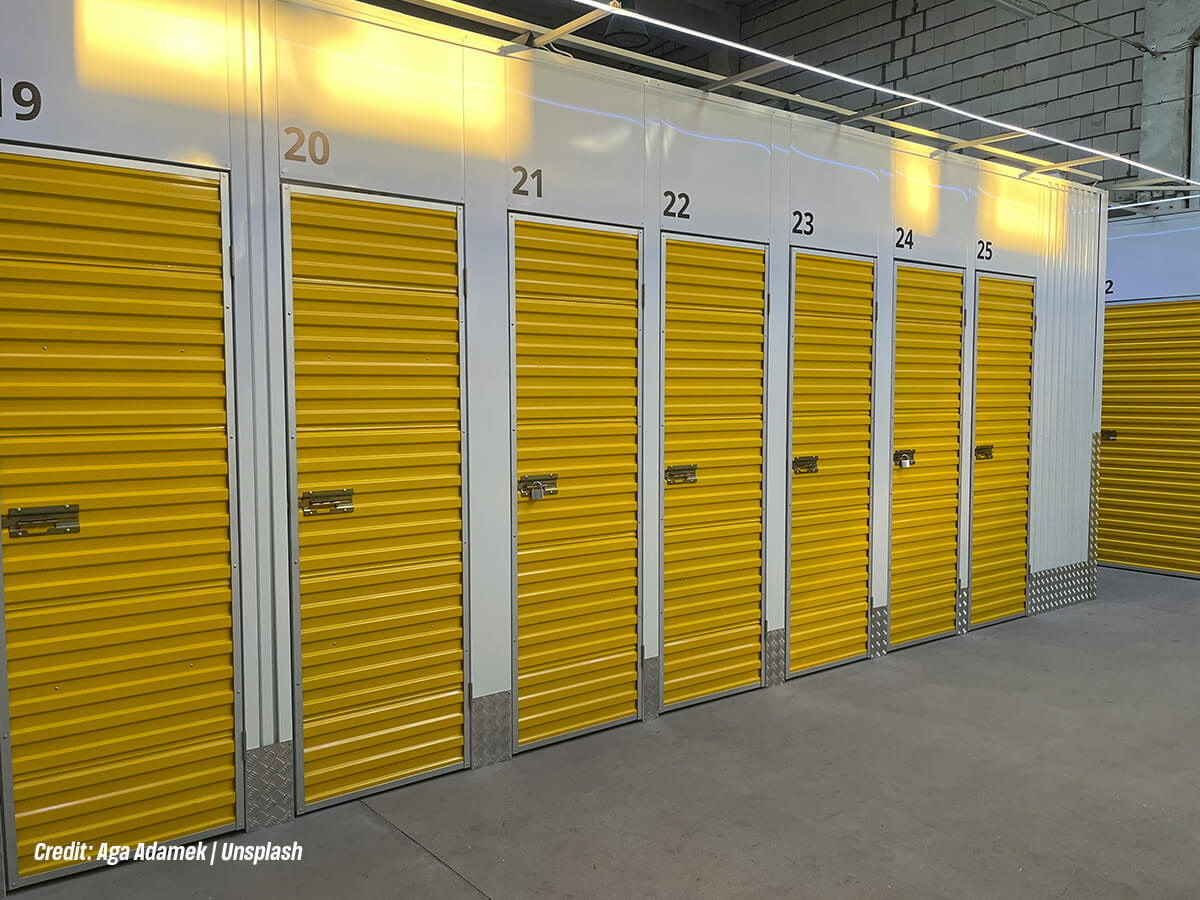
Furthermore, a long-distance or major lifestyle move often involves downsizing, temporary housing, or complex packing requirements. It is vital to find reliable movers near you with packing and storage services who can offer end-to-end solutions. Professional packing protects your valuables during transit, while flexible storage solutions can be a lifesaver if there is a gap between your move-out date in Toronto and your move-in date in your new city.
Make Your Move Today
The exodus from Toronto is more than a fleeting trend; it is a fundamental realignment of how and where Canadians want to live. If the soaring cost of living and the relentless pace of the city have you looking at real estate listings in Calgary, Halifax, or a quiet Ontario suburb, you aren’t alone. The rest of Canada is waiting, offering space, affordability, and a chance to breathe.
When you are ready to turn your relocation dreams into reality, don’t let the stress of moving hold you back. Contact E&V Moving at 1-888-380-8025 today to get a comprehensive quote and let our experts handle the heavy lifting, so you can focus on the excitement of your new beginning.