Want to Pack Right? 10 Tips to Pack for a Long Move
Moving is always a monumental life event. It can be a complex job, packing up and relocating to a whole new address, especially if we’re talking about a long-distance move with hundreds of kilometers between your old and new homes. Such a move takes quite a bit more preparation than relocating to a new place within the same city; proper timing is very often a major factor in getting a long-distance move done more efficiently. Very often when transporting yourself and your belongings across vast distances, they’re likely to experience quite the interesting trip. Your things will very likely experience shifts, shakes, bumps, and temperature shifts, all of which can have effects on your items as you make your way to your destination.
Ensuring your possessions arrive intact requires careful planning, diligent organisation, and a methodical approach to minimize the risk of damage. It’s not as simple as packing your things in the boxes with some shock-absorbent material and hoping for the best; there’s a right way to pack your things for a move, and it’s all the more necessary for long moves like yours when you can’t check on your things until you make it to the end. Breaking the process down into more manageable steps goes a long way toward maintaining your control over the move and significantly reduces anxiety regarding your belongings. Here’s a list of ten essential tips to help prep your items for the long move and keep them safe.
1. Declutter Before You Set Out
Your move is a golden opportunity to declutter and assess which of your items are most essential and valuable before moving into your new home. Take inventory of all your items before so much as picking up a box. Every extra kilo you take with you is extra effort carrying with you on the trip. Sort through everything (closets, basement, and garage) categorizing items to keep, donate, sell, or discard. Be honest (and ruthlessly so) with yourself about things you can afford to do without, like clothing you haven’t worn in years or decorative items collecting dust. Reducing how much you take with you streamlines the packing process and ensures you only bring items you’re sure to use in your new home. A decluttered house is a less stressful house too, and taking the time to organize your things might be just what you need to start this new chapter in your life on a positive note.
2. Acquire High-quality Packing Materials First
The go-to option for many folks on the move is simply using ordinary boxes for the trip; however, a long-haul journey demands durability. Used boxes in particular are often compromised, having lost their structural integrity in previous use, which makes them susceptible to collapsing under pressure. Invest in heavy-duty, double-walled corrugated cardboard boxes (especially for fragile or heavy items which require more care when transporting). Furthermore, secure a generous amount of robust packing tape, high-quality bubble wrap, clean packing paper, and permanent markers. Having the right tools at your disposal not only protects your belongings but also makes the act of packing all the more efficient and streamlined.
3. Colour-code Your Boxes for Easy Organization
Keeping track of your belongings across long distances takes more than simple labels; every mark you can add to make organization easier helps. One moving hack that helps during a hectic move is having a more comprehensive inventory system. Assigning a specific colour to each room in your new home can help you keep your boxes organized and streamline the moving process once you get to your new home. Denote those respective colours via coloured markers or brightly coloured tape for ease of identification. Alongside the colour coding, assign a unique number to every single box and maintain a master list in a notebook or on your phone detailing the contents of each numbered box. A little extra detail guarantees that you know exactly what’s been packed in each box, what’s already arrived, and where it needs to go, ensuring a smoother unpacking once it’s time to get settled.
4. Watch the Weight of Every Box
One of the most common packing mistakes to avoid is overloading large boxes with heavy items. A load of books, tools, or canned goods can quickly make a standard box impossibly heavy, increasing the risk of the box breaking open from the bottom or causing an injury when lifted. The golden rule of packing is to place heavy items in small boxes and light, bulky items like pillows, blankets, and lampshades in larger ones. Ensure that each box remains comfortable to lift and carry; the ideal weight of any single box is within twenty kilograms.
5. Keep Your Essentials in the Same Box
When you finally arrive at your new home after travelling countless kilometres, the last thing you will want to do is rip open multiple boxes just to find a toothbrush or a clean towel. One task to absolutely include on your moving checklist is keeping your essentials in one box; this box contains everything you’ll need for the first few days. This should include toiletries, a few changes of clothes, basic cooking utensils, toilet paper, necessary medications, phone chargers, and basic cleaning supplies. Keep this specific box with you in your vehicle rather than loading it onto the moving truck, ensuring you have immediate access to your daily necessities.
6. Utilize Soft Items for Cushioning
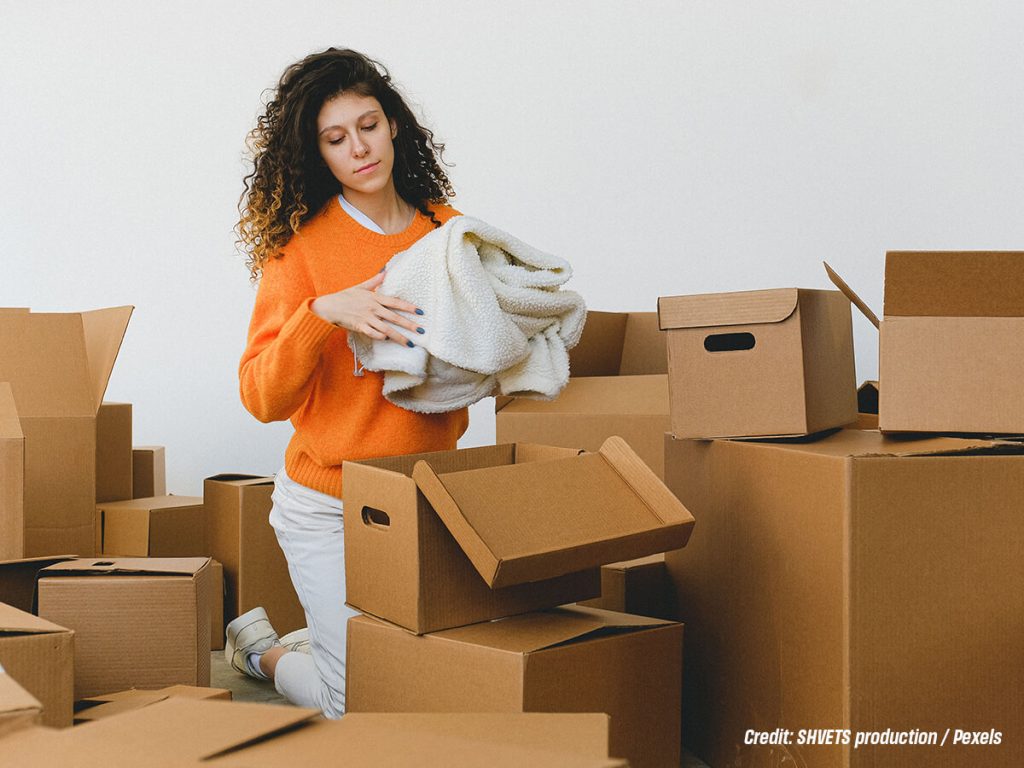
When it comes to finding cushioning materials to fill the space in your boxes, there are soft materials at home that might have a new lease on life as packing. Thick towels, winter sweaters, soft blankets, and even socks can serve double duty wrapping delicate items like glassware, plates, and electronics. Not only do these materials provide excellent shock absorption against the inevitable bumps on the road, but it also lets you pack two categories of items simultaneously. Filling those empty spaces in your boxes with clothing or linens allows you to simultaneously prevent items from shifting during transit and maximize the use of every available cubic centimetre.
7. Disassemble Bulky Furniture in Advance
Large pieces of furniture are notoriously difficult to transport and are highly prone to damage during a long move; the usual suspects include dining tables, bed frames, and shelving units. Take the time to disassemble these items as much as possible. Remove the legs from tables, take apart bed frames, and remove glass shelves from cabinets. Place all screws, nuts, bolts, and small hardware into clear plastic bags, label them clearly, and tape them securely to the corresponding piece of furniture. Reducing the overall footprint saves valuable space in the moving truck and significantly lowers the risk of scratches or breaks.
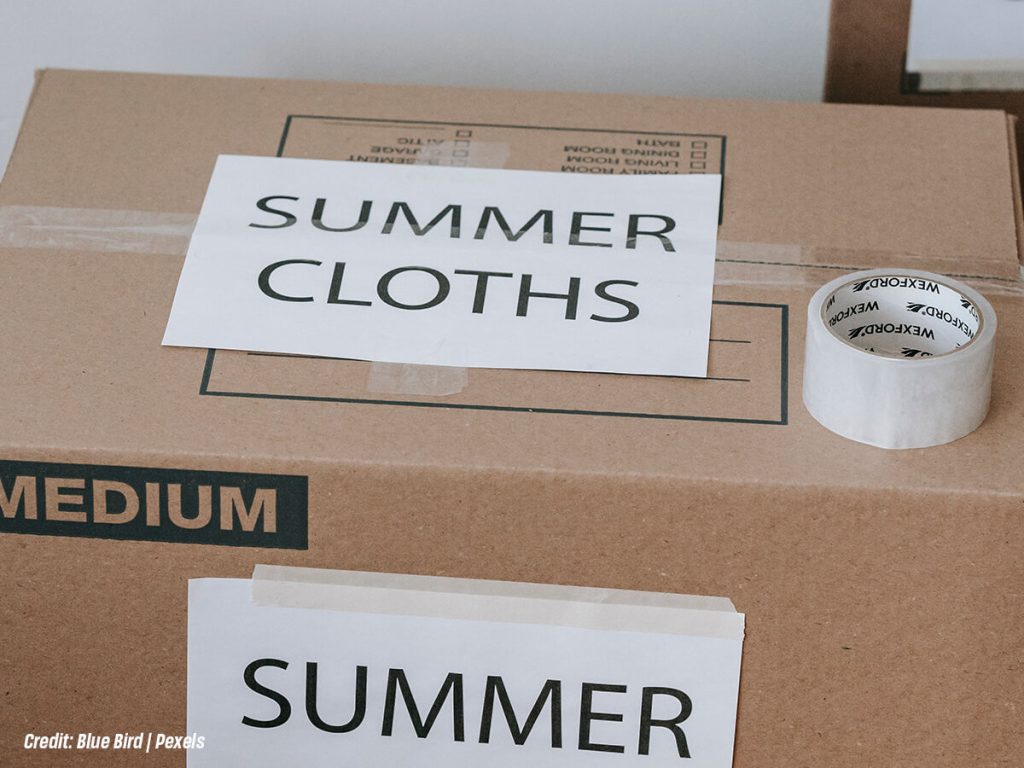
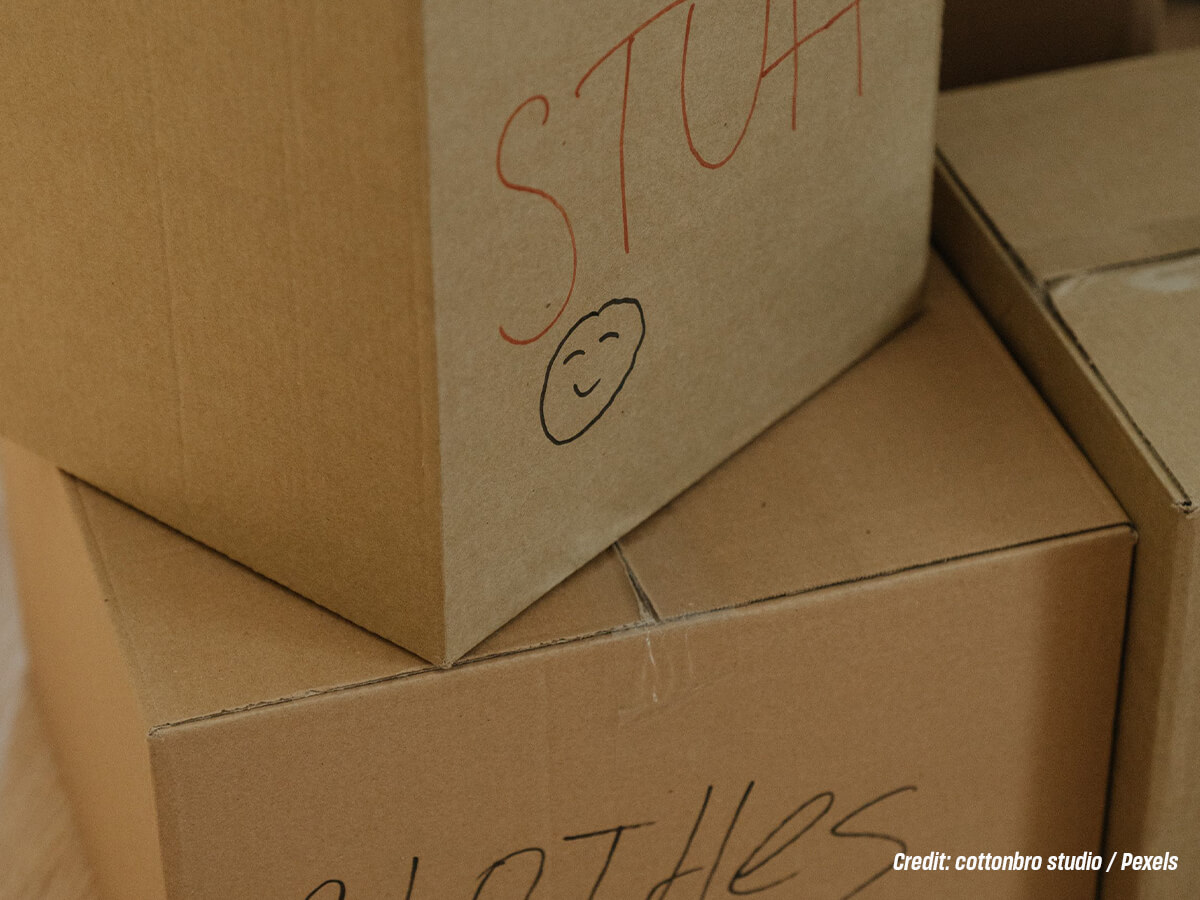
8. Label Every Box on Multiple Sides
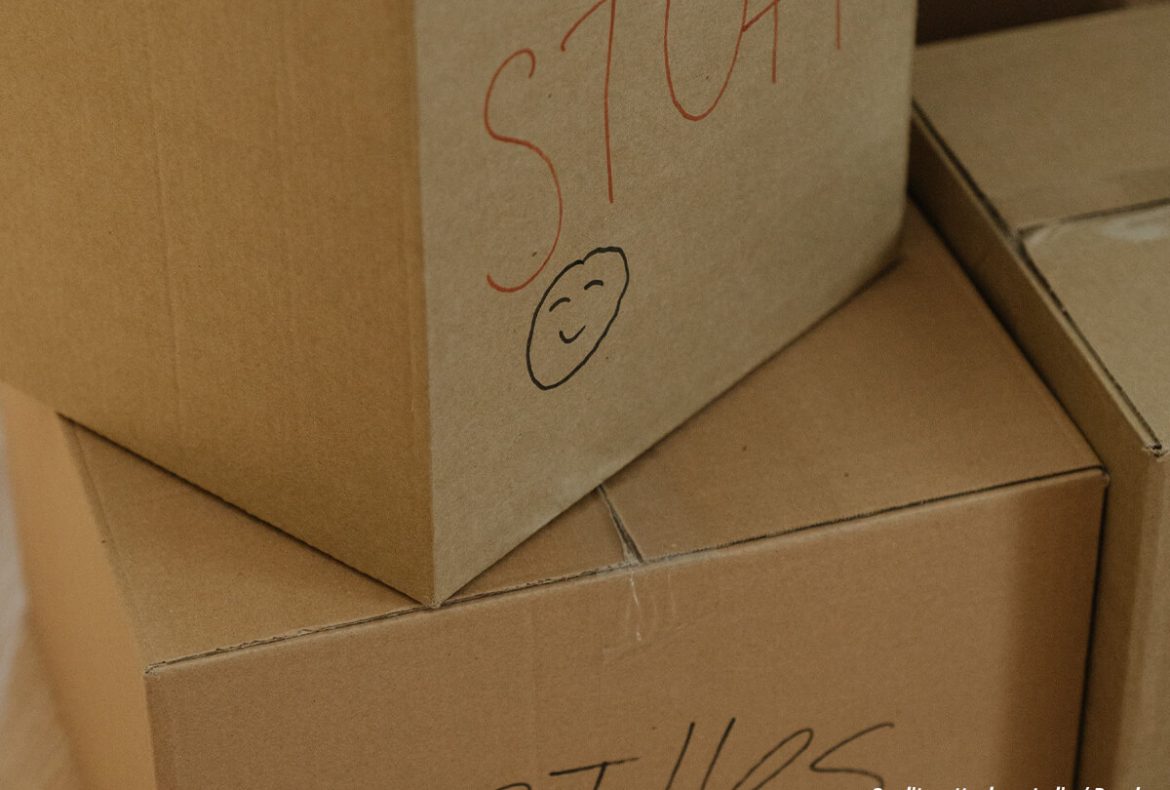
When a moving truck is being unloaded, boxes are often stacked high, obscuring the top flaps where many folks tend to put their labels. If you only label the top of a box, you will be forced to unstack everything just to read the label. To make identification easier, take the time to label every single box on the top and on at least two opposing sides. Write the designated room, the box number, and a brief description of the contents in large, clear, and legible handwriting. If the box contains fragile items, then clearly write that down and draw directional arrows indicating which way is up.
9. Take Extra Care with Liquids
Liquids can be tricky to transport, as many transportation regulations point out. A spilled bottle of shampoo or cleaning solution can ruin the contents of an entire box and potentially damage the boxes beneath it. When packing liquids for a long move, take extra precautions to prevent leaks, particularly those that could be caused by pressure changes and constant motion. Remove the cap from every liquid container, place a small square of plastic wrap over the opening, and tightly screw the cap back on over the plastic. For added protection, place all liquid containers inside sealed, waterproof plastic bags before packing them upright in a box. Ensure these boxes are clearly marked to handle with care.
10. Keep Your Documentation on Your Person
Important personal and financial documents are best kept with you instead of in a box somewhere. This documentation includes passports, birth certificates, medical records, financial statements, housing leases, vehicle registrations, and moving contracts; these papers are simply too important to risk losing in the shuffle of a massive relocation. Gather all of these critical documents and place them in a secure, waterproof folder or a small lockbox. Keep this folder with you at all times during the journey. Having these documents readily accessible provides peace of mind and ensures you are prepared for unexpected situations during your travels.
A long-distance move can be a complex task, one that demands resilience, patience, and meticulous attention to detail to carry out safely and with as little fuss as possible. While the sheer volume of tasks can seem daunting at first given how many you have to deal with, a systematic and thoughtful approach to packing goes a long way to making the moving experience a little more bearable. By taking the time to get all these tasks done and done early, you help set yourself up for a more successful transition to your new home. Your goal here isn’t just the basic transportation of all your items, but also setting up your new life at your new address. As you travel those kilometres, you can take some comfort knowing your possessions are perfectly secure and waiting for arrival at your new home.
Ready for a completely smooth move? Let E&V Moving Solutions handle the heavy lifting. Trust our team to transport your belongings and ensure they arrive safely, especially on long-distance trips where safety at every stage matters. Call us today at 587-470-230 and let our team handle your relocation while you start this new chapter of your life with absolute confidence.