
Got Your Papers in Order? A Checklist of Essential Documents for Every Expat
Moving to a new country doesn’t just have to be a stressful relocation, it can also be an exhilarating adventure; if you have little ones in tow, this mindset can especially work for helping your kids cope with the move. However, there are also the logistical concerns to take into account, as these can often feel like a mountain of paperwork. Whatever the reason for your relocation, whether job- or family-related, having your essential documents organised is crucial to a successful transition. This checklist outlines the critical paperwork every expatriate should have ready before they board their flight.
1. Valid Passport and Visas
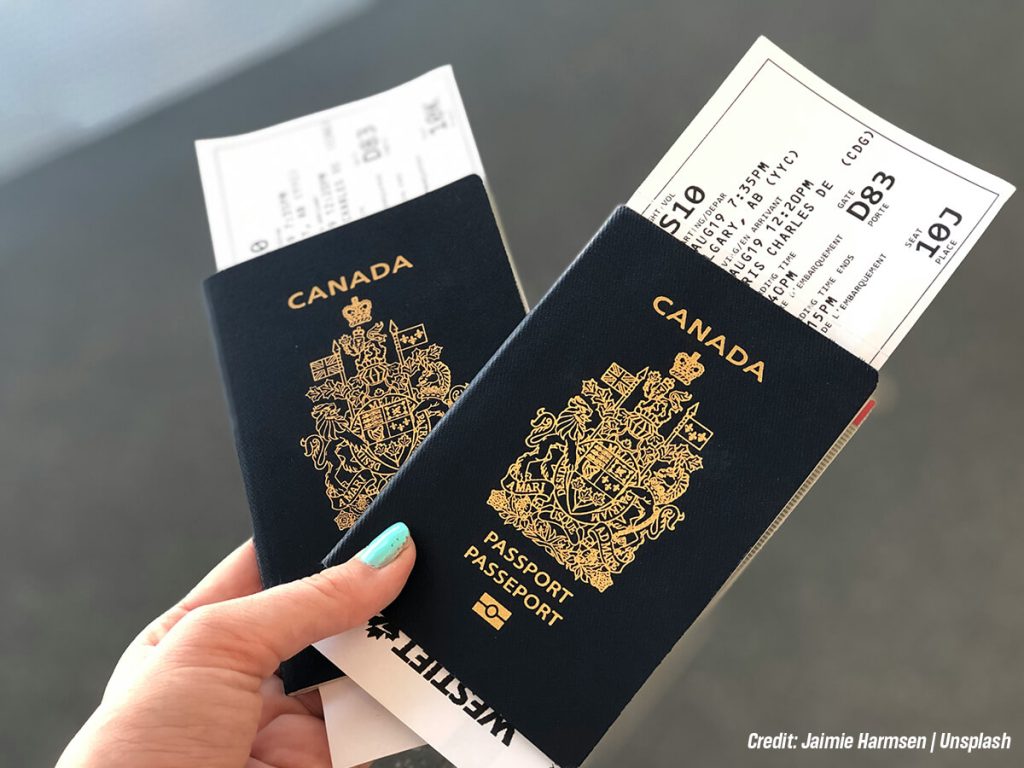
Your passport is always the most fundamental document when figuring out an international move. As a security measure, it’s prudent to ensure that it has at least six months of validity remaining beyond your intended stay; many countries will deny entry if the expiry date is too close. Along with your passport, your visa or residency permit is the legal backbone of your stay. For these documents, it’s wise to keep physical and digital copies. You’ll need them for more than securing a place in your new home, they’re also necessary for other tasks, ranging from opening a bank account to registering for local services.
2. Birth and Marriage Certificates
Original copies of birth certificates for every family member are essential; these documents are frequently required for school enrolments, healthcare registrations, and residency applications. If you are married or in a legal partnership, your marriage certificate or civil partnership papers are equally vital, particularly if your spouse is applying for a dependant visa. If these documents are not in the primary language of your destination country, ensure you have certified translations prepared in advance.
3. Comprehensive Medical Records
When moving long-distance, your health history is one of those factors that ought to go with you. This includes a full record of immunisations, which is often a mandatory requirement for children entering new school systems. Obtain a summary of any chronic conditions, ongoing treatments, and a list of current medications (using generic names, as brand names vary by region). Additionally, if you wear corrective lenses, carry a copy of your most recent optical prescription. Having these on hand ensures a seamless transition to a new healthcare provider.
4. Educational Qualifications and Transcripts
For those moving for work, original degree certificates, diplomas, and professional certifications are a must. Employers and professional regulatory bodies often require “apostilled” or legalised copies of these documents to verify their authenticity. For children, their equivalent documents include their latest school reports and official transcripts. These documents are necessary for proper grade placement and to help new teachers understand their academic progress.
5. Employment Contracts and Proof of Income
A signed copy of your employment contract is a multipurpose tool for an expat. It serves as proof of your right to work and is often required by landlords when you are looking for a rental property. If you are self-employed or retired, it’s also a good idea to bring several months of bank statements or tax returns to demonstrate financial self-sufficiency. This financial transparency is a common requirement for securing housing and utilities in a new country.
6. Driver’s Licence and International Driving Permit
While your domestic driver’s licence may be valid for a short period, many countries require an International Driving Permit (IDP) to be carried alongside it. Check the local regulations of your destination; some jurisdictions allow you to exchange your home licence for a local one, while others may require you to take a new driving test. If you plan to own a vehicle, it can help to bring your claims-free history from your previous insurance provider, as this can often lead to significant discounts on your new premium.
7. Financial and Tax Records
Closing out your financial life in one country while starting it in another requires diligent record-keeping. Carry your most recent tax filings and any documents related to pensions or investments. It is also wise to have a “letter of good standing” from your current bank, which can simplify the process of establishing credit in a new location. Ensure you have clear records of any outstanding debts or assets held in your home country to simplify future tax reporting.
8. Digital Backups and Storage
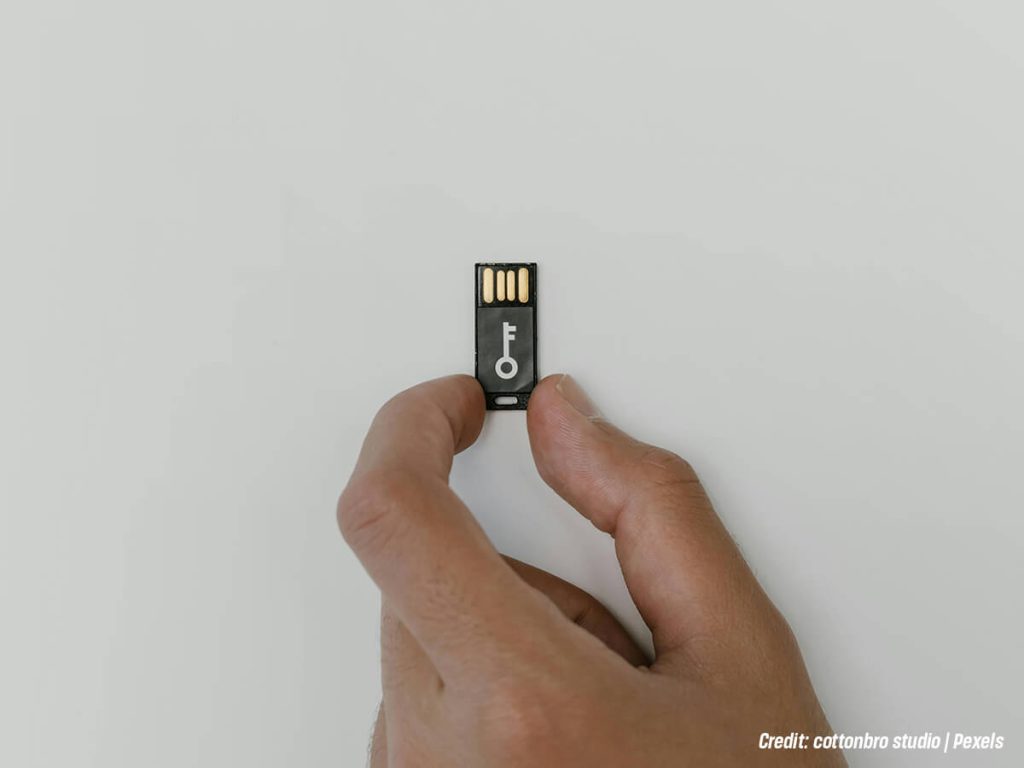
There’s no doing away with physical papers just yet (if ever), but they’re only part of your requirements. To keep your papers safe, it’s a good idea to exactly how to back up your data. Have your aforementioned documents scanned and stored in a secure, encrypted cloud-based folder to ensure they’re backed up and secure. Additionally, keep another set of copies on a password-protected USB drive. In the event that your physical luggage ends up misplaced, having immediate access to digital versions of your birth certificate or visa can save weeks of bureaucratic headaches.
9. Housing and Rental History
If you have been a tenant in your previous country, a reference letter from your last landlord can be incredibly helpful. The rental market in many popular expat hubs is highly competitive, and proving that you are a reliable, responsible tenant can give you an edge over other applicants. If you owned your home, have the sale or rental agreement available to prove your previous residential status.
10. Emergency Contact List
While not a formal “document” in the legal sense, a comprehensive emergency contact list can prove a lifesaver. This list should include the contact details for your embassy or consulate in the new country, as well as your primary care physician back home and a designated person who holds power of attorney or is your next of kin. Keep this list in your wallet and clearly marked in your digital files.
Moving can be a complex task, more so if you’re moving abroad. However, with a little help from this checklist, you transform what might otherwise be a complicated move to a smoother, better-organized transition. More than knowing what and how to pack properly, it’s also essential you bring all the right paperwork to facilitate your travel to a new country. Being an expat can involve navigating many unknowns; ensuring your paperwork is in order is one of the few variables you can fully control.
Need some help making your move a little easier? E&V Moving Solutions is here to help with the heavy lifting while you focus on settling into your new home. Whether you’re moving across Canada or moving overseas, our professional team is ready to assist at every stage of the moving process. Reach out to us now at 1-888-380-8025 (for Toronto), 905-404-0736 (for Oshawa), or 587-470-2308 (for Calgary), and let us help you get moving!