What Are the First 5 Things to Research Before Moving to Calgary?
Packing up and relocating across the country requires more than just a passing glance at a map. Calgary promises lower taxes, massive mountains, and robust career opportunities, but the transition demands meticulous preparation.
Success relies entirely on understanding the financial, environmental, and logistical realities of Alberta’s largest city before signing a lease or a mortgage. Here are the crucial elements to research immediately.
1. The True Cost of Living and Housing Realities
Calgary consistently attracts Canadians seeking relief from the crushing real estate pressures of Vancouver and the Greater Toronto Area. However, assuming everything is universally cheaper can lead to critical budgeting errors. Real estate pricing fluctuates heavily based on quadrant and proximity to the downtown core.
- Real Estate Dynamics: Researching specific neighbourhood price points is vital. While detached homes remain significantly more affordable than in other major Canadian hubs, the market is highly competitive. Renters must investigate vacancy rates and average lease costs, as the influx of interprovincial migration has tightened the rental market considerably.
- The Alberta Tax Advantage: A major financial benefit is the complete absence of a Provincial Sales Tax (PST). Residents only pay the five percent federal GST. Calculating this tax relief into a monthly household budget reveals substantial long-term savings across everything from vehicles to daily necessities.
- Utility and Insurance Costs: Alberta operates on a deregulated energy market. Consumers can choose their electricity and natural gas providers. Researching fixed versus floating rate contracts is mandatory to avoid unexpected winter heating bills. Additionally, auto insurance premiums frequently rank higher than the national average, requiring adjustments to household budgets.
- Everyday Commodities: While housing and taxes offer immediate relief, the cost of groceries and dining out remains comparable to other major urban centers. Building a comprehensive spreadsheet accounting for daily life ensures a mathematically sound transition without unexpected shortfalls.
- Property Taxes: Municipal residential property taxes are generally reasonable, but analyzing specific mill rates across different city quadrants provides a much clearer picture of actual carrying costs.
2. Aligning Calgary’s Quadrants With Your Lifestyle Requirements

Calgary is geographically massive, divided into four distinct quadrants that each operate almost like independent cities. Choosing the wrong quadrant can easily double a daily commute or isolate residents from their preferred weekend activities.
- Family-Focused Suburbs vs. Urban Core: Families gravitate toward the deep South or Northwest for newer schools, expansive community centers, and active neighbourhood associations. Young professionals often target the Beltline or Inglewood for exceptional walkability, rapid transit access, and dense restaurant scenes.
- Proximity to the Mountains: Outdoor enthusiasts heavily favour the West side. Living in the Southwest or Northwest cuts significant time off the drive to Banff and Kananaskis, turning a weekend mountain trip into an easy evening hike after work during summer.
- Retirement and Downsizing Strategies: Demographics heavily influence neighbourhood selection. Research shows that retired amenity-oriented movers prioritize lifestyle enhancements, social connectivity, and convenience over universal aging-in-place features when selecting their new homes and neighbourhoods (Glass et al., 2024). Calgary offers numerous master-planned communities featuring private lakes, golf courses, and established social clubs perfectly tailored for this demographic seeking an active lifestyle post-career.
- Transit and Walkability Factors: Evaluate the exact layout of the CTrain, Calgary’s Light Rail Transit system. Living along the Red or Blue line drastically changes the commuting experience, particularly during winter. Check the walk score of specific streets; while Calgary remains a driving-centric city, highly walkable pockets certainly exist.
- Community Amenities: Carefully check for local grocery stores, recreational facilities, and off-leash dog parks. Newer subdivisions on the extreme edges sometimes lack immediate retail infrastructure, meaning residents must drive long distances for basic errands. Thorough geographical research prevents daily frustration.
3. What Does the Local Job Market Actually Look Like?
Historically, Calgary’s economic heartbeat was almost entirely dependent on the oil and gas sector. While energy remains a foundational pillar of the provincial economy, the modern employment landscape is undergoing a rapid, massive diversification.
- Tech and Innovation Hubs: Calgary is experiencing a massive boom in the technology sector. Startups, agricultural technology firms, and clean energy enterprises are aggressively recruiting top talent. Investigating these emerging sectors reveals numerous opportunities for professionals seeking a rewarding career pivot.
- Healthcare and Education Demand: As the provincial population swells, the demand for medical professionals, specialized clinicians, and educators has skyrocketed. Researching specific hiring cycles of Alberta Health Services and local school boards is a mandatory step for anyone working in the public sector.
- Networking Requirements: The local business culture heavily values face-to-face networking and active community involvement. Researching professional associations, industry meetups, and local chapters of national organizations before arriving gives job seekers a massive, distinct head start.
- Logistics of Starting a New Role: Timing a new job with a cross-country relocation requires perfect coordination. Securing employment dictates moving timelines. When orchestrating tight schedules, relying on professional Calgary movers ensures household goods arrive exactly when needed, preventing the stressful scenario of starting a new corporate role while living out of a suitcase.
- Remote Work Considerations: For individuals transferring an existing remote role, verifying high-speed Internet infrastructure in chosen neighbourhoods is critical. While broadband is excellent in the core, some newer suburban developments may experience installation delays during the initial build phase.
- Provincial Certification: Many skilled trades, legal professions, and medical credentials require provincial transfer or formal recertification. Contacting Alberta regulatory bodies well in advance prevents unexpected delays in securing employment. Understanding these timelines ensures a smooth transition into the local workforce without unnecessary income gaps.
4. The Impact of Southern Alberta’s Climate on Daily Life
The weather in southern Alberta dictates daily routines, vehicle maintenance, and home care. Understanding the unique meteorological patterns of this region is essential for a safe, comfortable transition.
- The Chinook Phenomenon: Calgary experiences Chinooks, warm, dry winds sweeping down from the Rocky Mountains during winter. These winds raise temperatures rapidly, melting snow and providing mid-winter relief. However, rapid atmospheric pressure changes frequently trigger strong migraines in susceptible individuals.
- Winter Driving Preparedness: The city receives significant snowfall, with winter driving conditions persisting from October through April. Investing in dedicated winter tires is a critical safety requirement. Residents must also budget for vehicle winterization, including block heaters for cold snaps exceeding minus thirty degrees Celsius.
- Sunlight and High Altitude: Calgary is Canada’s sunniest major city, boasting over three hundred days of sunshine annually. The high altitude means intense sun exposure, even in winter. However, this altitude creates a very dry climate. Researching robust skincare routines and investing in whole-home humidifiers is vital for long-term comfort.
- Summer Weather Patterns: Summers are typically glorious, featuring low humidity and long daylight hours stretching past ten o’clock at night in late June. However, residents must prepare for sudden, intense summer hailstorms. Researching covered parking options and securing comprehensive property insurance covering severe weather damage is a necessary, proactive precaution.
5. What Are the Healthcare and Education Options?
Moving across provincial lines requires completely resetting vital support systems. Securing healthcare and education logistics ahead of time significantly reduces the friction of settling into a brand-new province.
- Alberta Health Care Insurance Plan: New residents must register for provincial health coverage immediately upon arrival. With a standard waiting period for out-of-province Canadians, previous provincial coverage remains active for the first three months. Researching the application process ensures no gaps in critical medical coverage.
- Finding a Family Physician: Like many Canadian cities, finding a primary care doctor accepting new patients requires persistence and active research. Using the College of Physicians and Surgeons of Alberta website to search for available clinics is highly recommended. Researching walk-in clinic locations and urgent care centers in your chosen quadrant provides a vital safety net while securing a permanent family doctor.
- Public and Catholic School Boards: Calgary features two major publicly funded school systems, the Calgary Board of Education and the Calgary Catholic School District. Parents must research designated neighbourhood schools, as living in a specific community dictates enrolment. Also investigate specialized programs, such as French Immersion or arts academies, as these often feature strict lottery systems and rigid geographical boundaries.
- Post-Secondary Education Accessibility: For families with older children or adults seeking continued education, researching the specific campuses is vital. The University of Calgary, Mount Royal University, and the Southern Alberta Institute of Technology are spread across very different quadrants. Living near the appropriate campus dramatically reduces daily commute times for students.
- Childcare Waitlists and Availability: The demand for high-quality daycare and out-of-school care is exceptionally high across the city. Parents must contact facilities and place their children on waitlists months before the physical relocation takes place. Securing a spot early guarantees a much smoother adjustment for the entire family.
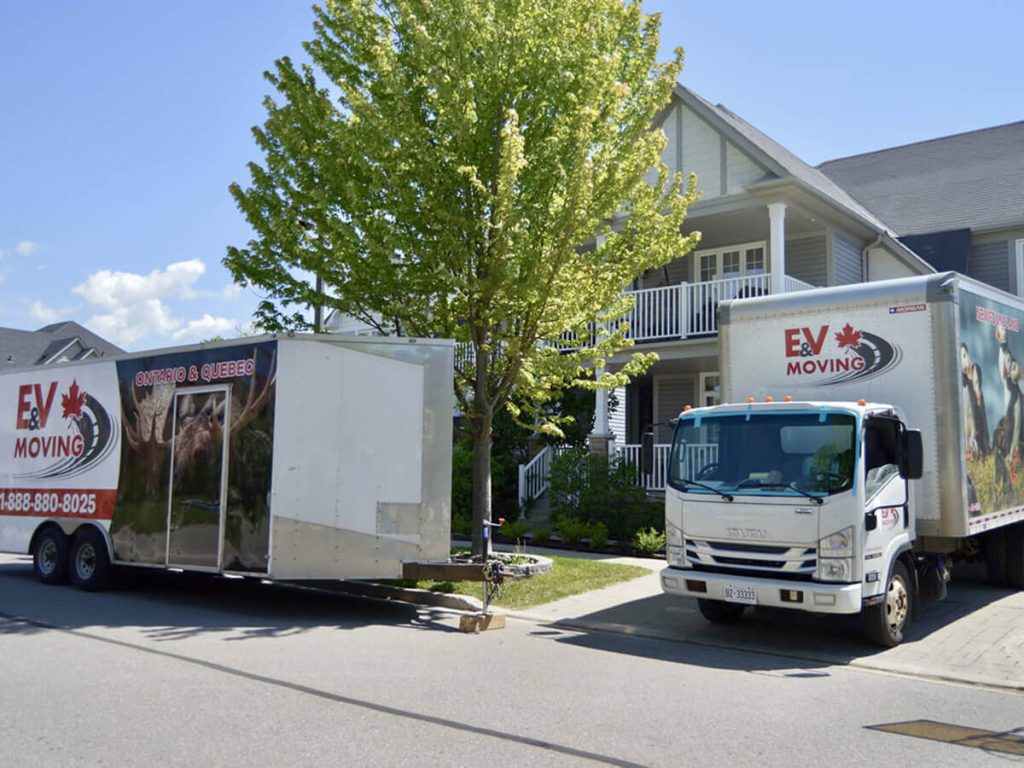
Coordinate Your Cross-Country Relocation Properly Today
Researching the housing market, job prospects, and local climate establishes the firm foundation for a highly successful transition to Alberta. However, executing the physical move demands equal precision, planning, and reliability.
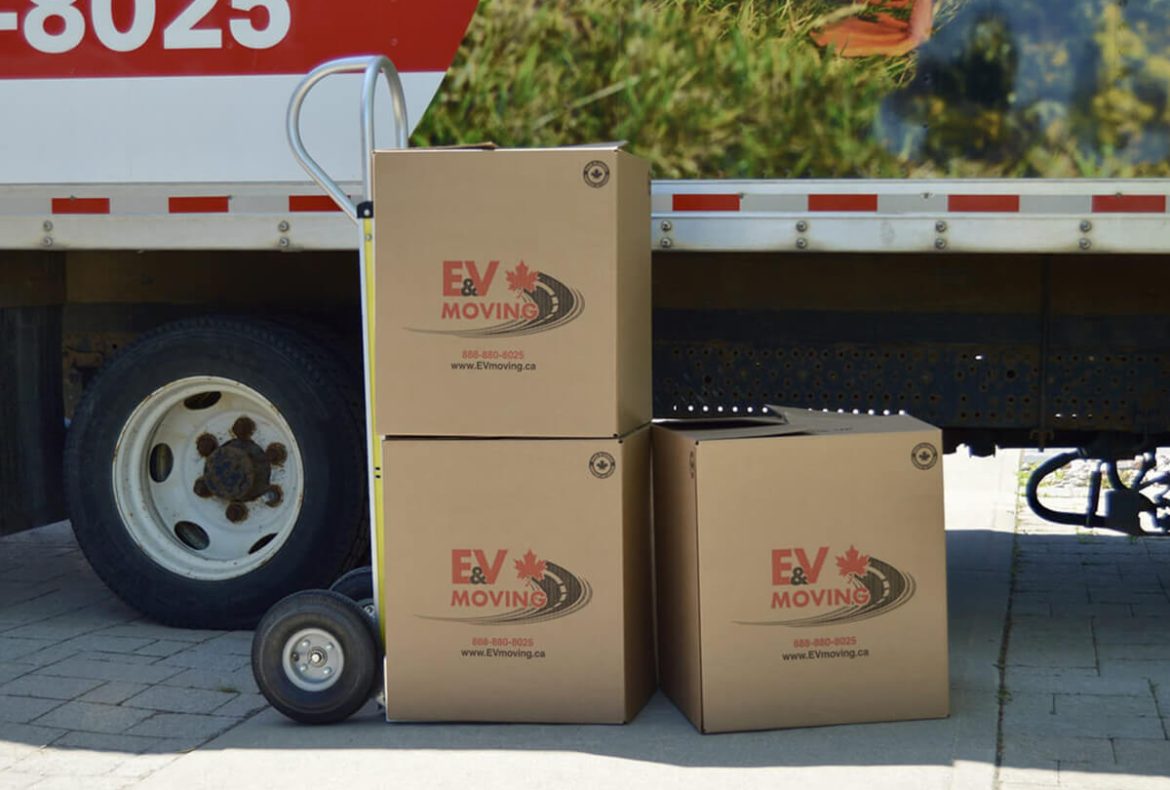
Whether upgrading from a small condo or relocating a massive family estate, professional logistical support completely eliminates the heavy lifting. Even if a local Whitby moving company handled past local moves perfectly, long-distance interprovincial transitions require specialized national infrastructure.
Let our seasoned experts manage every single box, crate, and furniture piece with utmost care and efficiency. Call us at 1-888-380-8025 to speak with our coordinators, or contact E&V Moving Solutions directly to get an estimate now.
For real estate details, get in touch with our partners: John Slade (403-816-7169, Jslade@royallepage.ca) or Julia Liddle (587-225-3210).